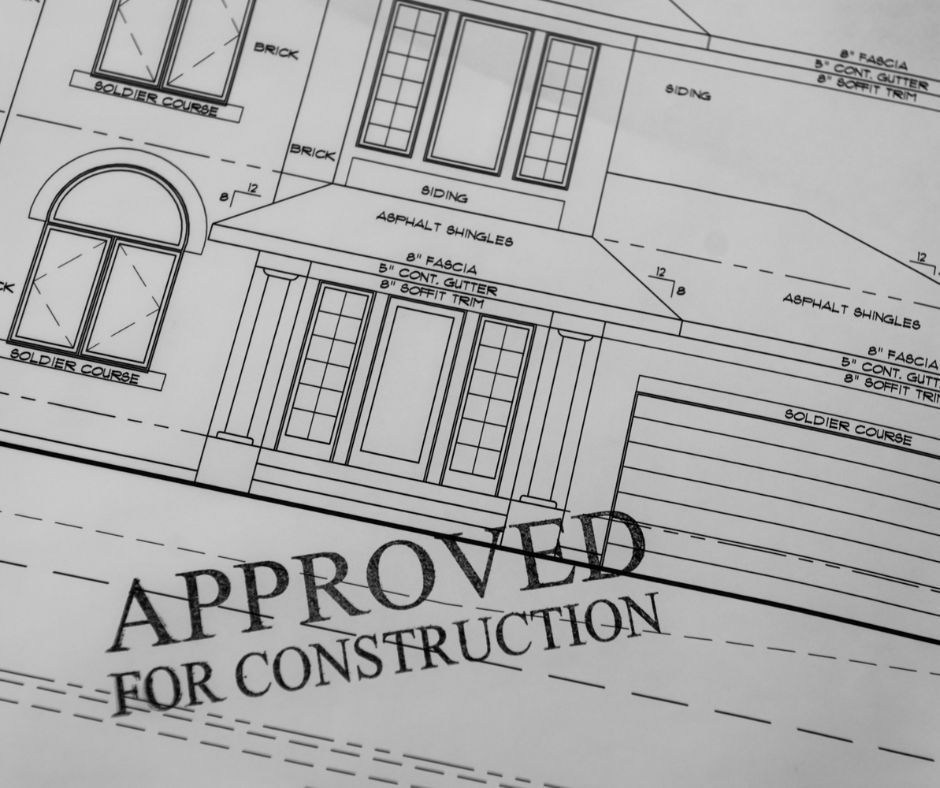
Granny Flat Regulations Perth: Building Requirements WA Homeowners
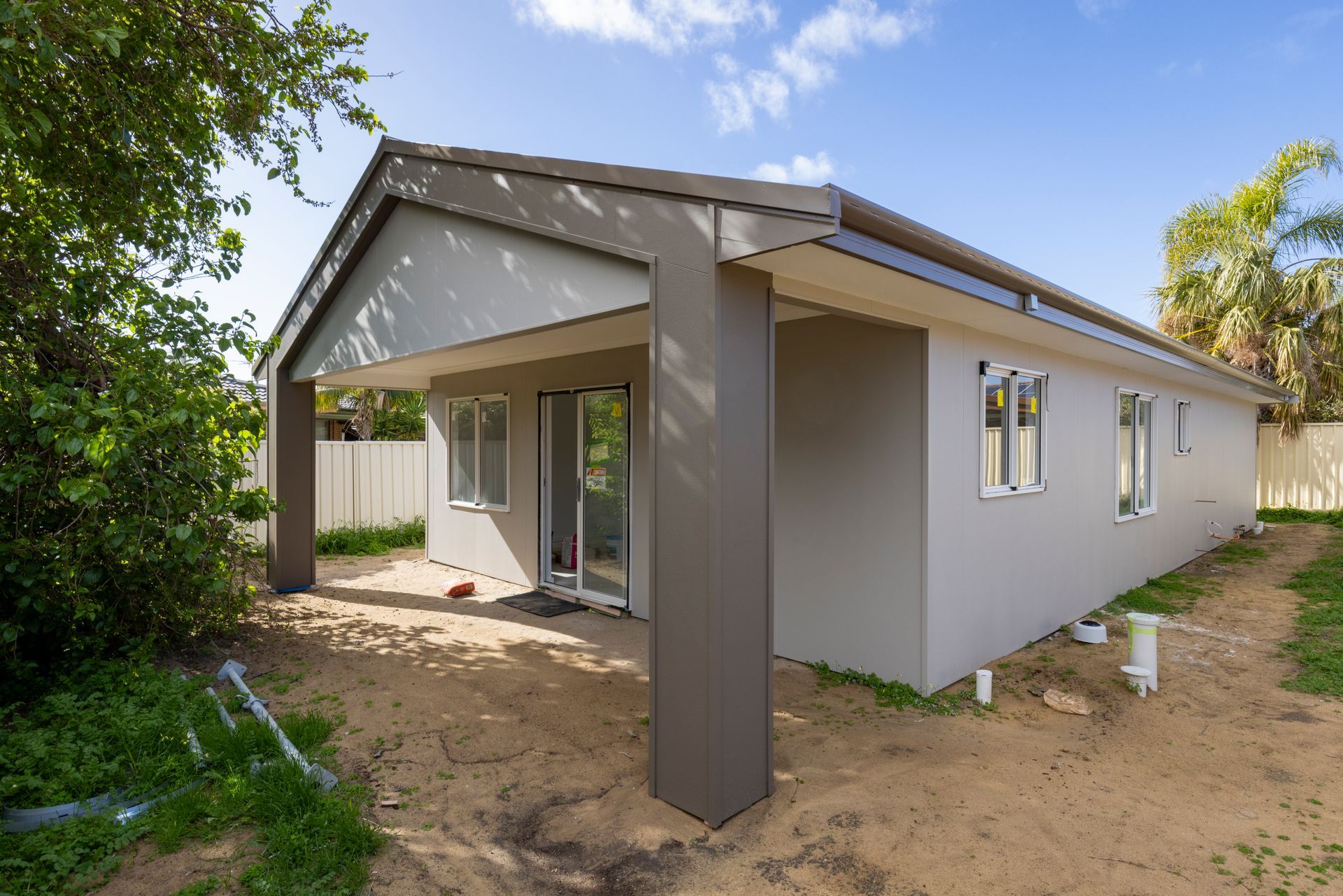
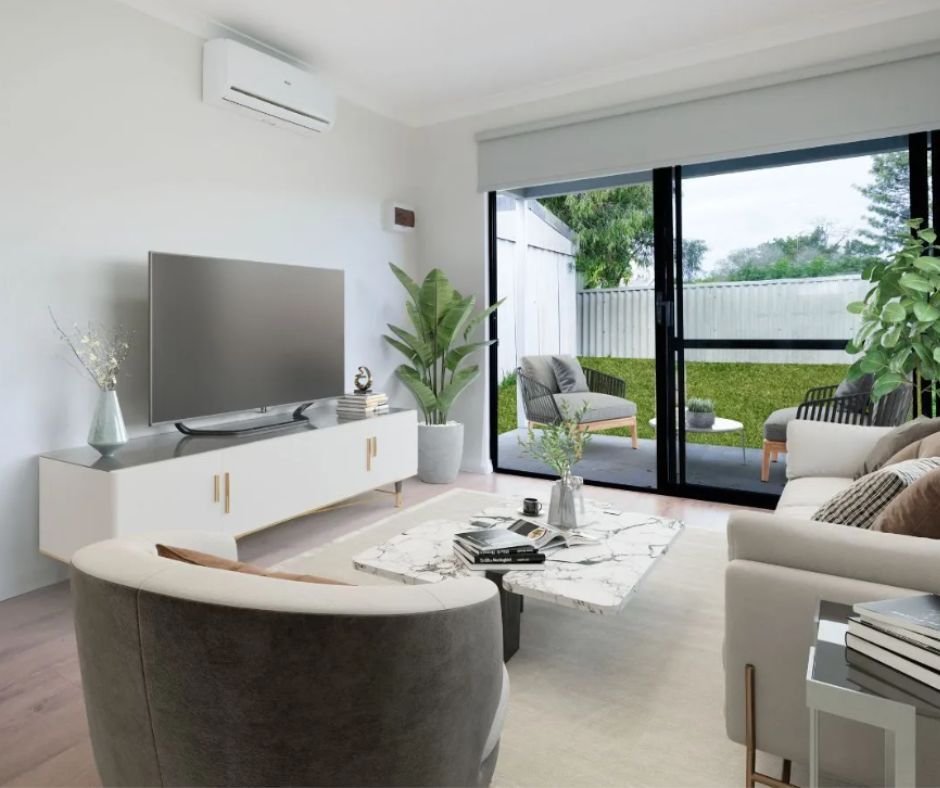
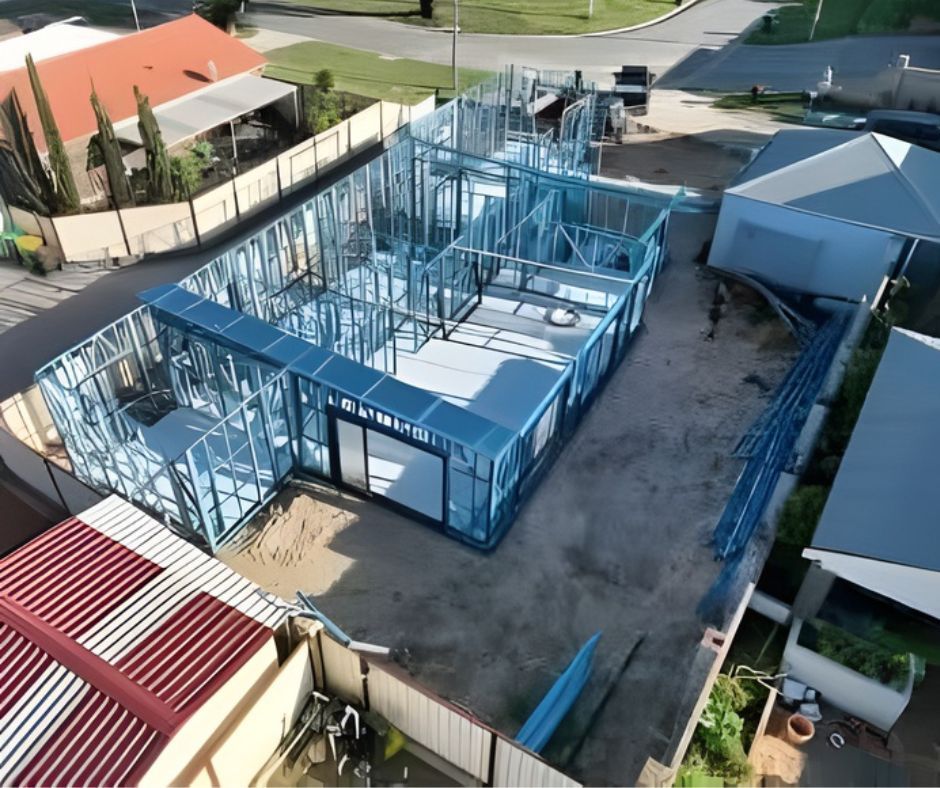
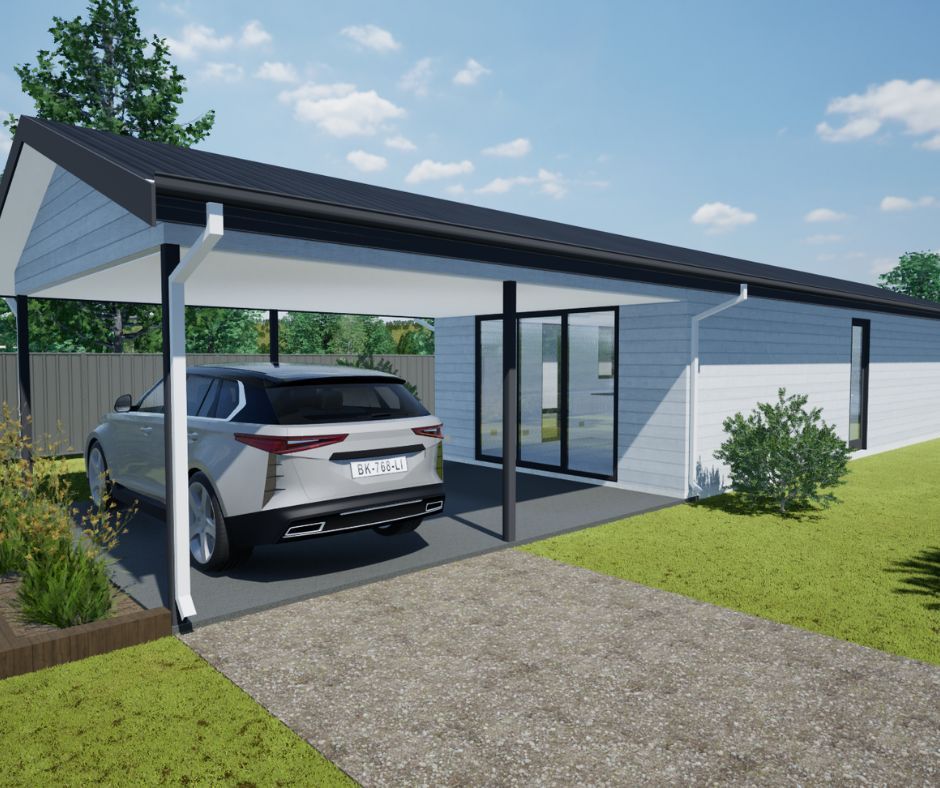
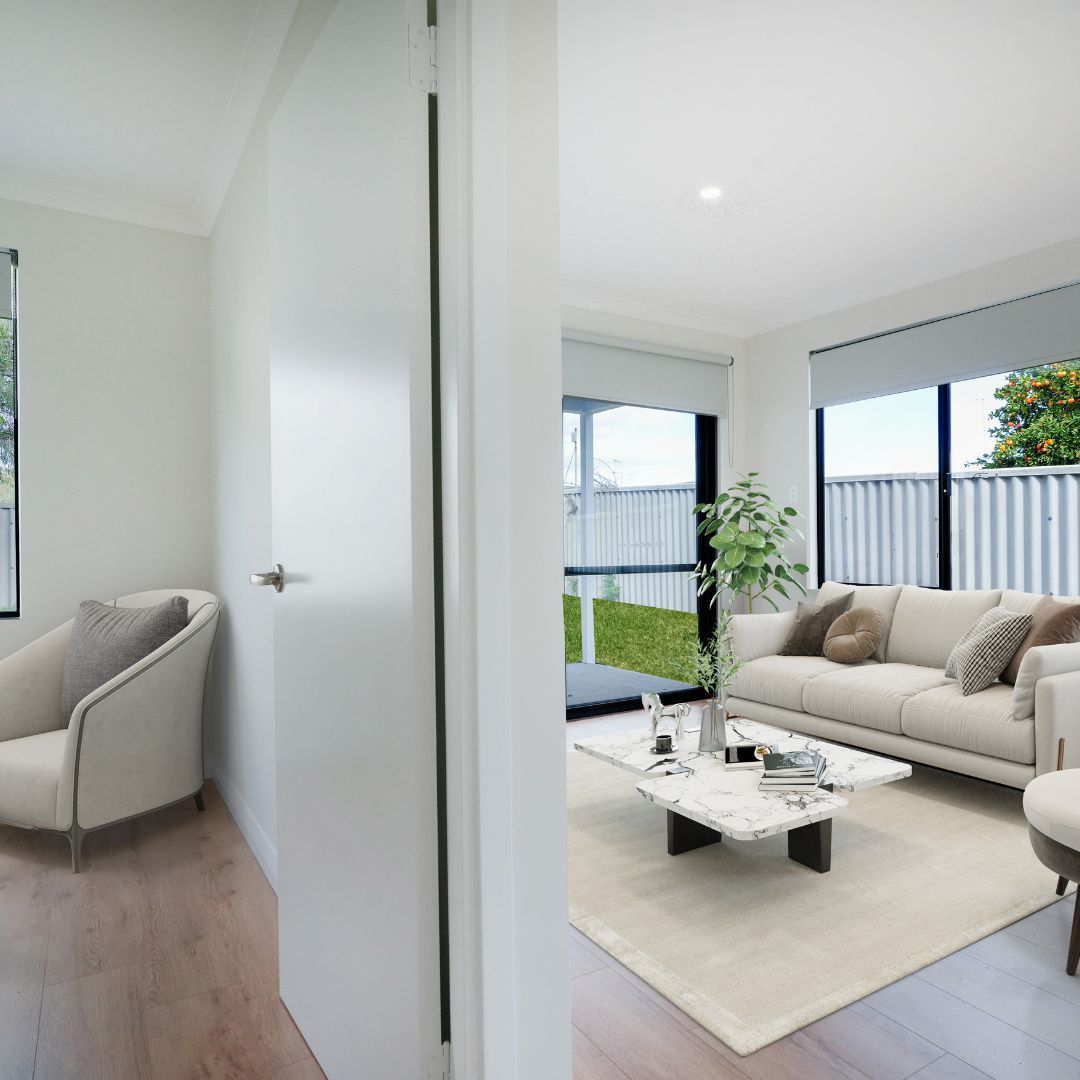
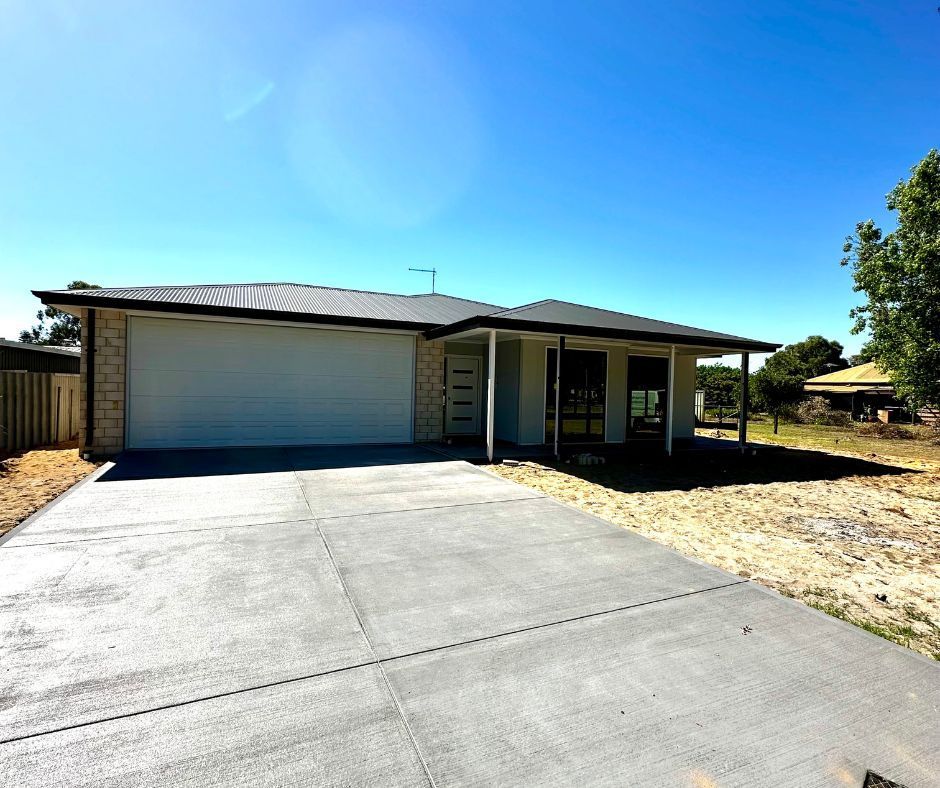
A granny flat in WA is a self-contained home on the same lot as your main house. It can be attached or detached, and it gives you flexible space for family or rental income.
WA updated the R-Codes in 2024 to make compliant ancillary dwellings easier to approve. Many designs that meet the code can skip planning approval and move straight to building certification, which shortens timelines. You still budget for design, reports, permits, and site works.
Below is a simple checklist and the key rules. Prestige Homes & Granny Flats can confirm your site details, prepare compliant plans, and guide approvals through the building requirements in granny flats.
Granny Flat Building Requirements in Perth: Quick Checklist
Use this checklist to confirm your site and concept are on track before you pay for full drawings. It keeps approvals tidy under granny flat regulations in Perth and holds costs predictable - in turn, maintaining a realistic timeline.
Minimum Lot Size and Zoning Fit
Granny flats can suit most residential lots if zoning permits an ancillary dwelling. Confirm your R-Code, check local planning policies, and identify any heritage, bushfire, or flood overlays on your block.
One Ancillary Dwelling Per Lot Rule
Most sites allow one granny flat with one main dwelling. If your lot already has an ancillary dwelling, you will need a different strategy.
Maximum Floor Area and Height.
Target the standard 70 m² internal floor area to stay on the simplest approval path. Match overall height to your R-Code and keep upper levels compliant with visual privacy rules.
Setbacks and Open Space Needs
Check front, side, and rear setbacks against the table for your density code. Preserve usable open space for both homes so light, ventilation, and outdoor privacy remain comfortable.
Parking, Services, and Access
Show safe access from the street and practical paths to entries. Confirm sewer and stormwater connections, power and metering, and whether an extra car bay is required under your local settings.
Building Requirements for Granny Flats: Size, Height, Setbacks
Use these rules to shape a design that clears approvals on the first pass under granny flat building requirements. Keep drawings precise and note every measurement on the plans.
Typical Size Caps and When Variations Apply
Most Perth granny flats work to a 70 m² internal area cap for the simplest pathway. Larger designs usually trigger extra assessment, so confirm the trade-offs before you proceed.
Height Limits and Overlooking Rules
Height follows your R-Code and any local policy, so match wall and ridge levels to the tables. Control overlooking with sill heights, screening, or extra setback where needed.
Front, Side, and Rear Setback Basics
Set wall, eave, and balcony dimensions in line with the deemed-to-comply tables. A few centimetres short can force redesign, so dimension carefully on every elevation.
Open Space and Private Outdoor Area Needs
Maintain usable open space for both dwellings to protect light and ventilation. Plan a private outdoor area that is level, sunny, and screened from neighbours.
Privacy Screens and Overshadowing Controls
Specify compliant screens for windows and decks that face habitable rooms next door. Check winter shadow diagrams on tight sites to keep sunlight to adjoining lots.
Requirements for Building Granny Flats: Services and Access
Follow these granny flat building requirements to keep your design compliant, approvals smooth, and costs predictable.
Sewer, Stormwater, and Water Connection Notes
Confirm sewer depth, location, and capacity before design. Show lawful stormwater disposal and note water meter positions on the plans.
Power Supply and Metering Options
Decide on a sub-meter or separate meter at the concept stage. Size the main switchboard and plan trench routes to avoid rework.
Fire Separation and Bushfire Considerations
Detail boundary walls with the correct fire rating. Check bushfire mapping and allow for BAL construction if your site is identified as at risk.
Universal Access Basics for Future-Proofing
Aim for near-level entries, wider doors, and a step-free shower. Allow space for grab rails and a turning circle where practical.
Acoustic and Energy Efficiency Targets
Meet minimum energy ratings and specify good insulation levels. Add simple acoustic measures near busy roads or shared walls for comfort.
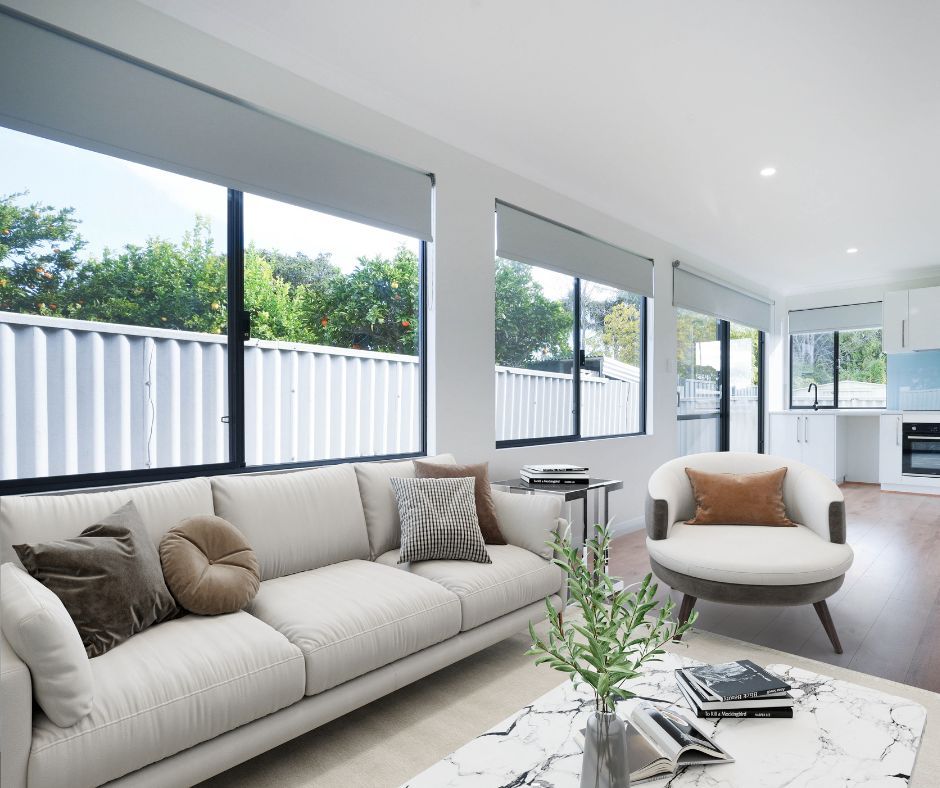
Requirements for Building Granny Flats in WA: Approvals and Codes
Know which rules apply before you draw a single wall. Align your design with granny flat building requirements in Perth to secure faster approvals and fewer surprises.
When Council or Private Certification is Required
If your design meets the deemed-to-comply rules, planning approval may not be needed. You will still require certification and a building permit before construction.
How R-Codes Influence Design Choices
The R-Codes set limits for area, height, setbacks, and privacy. Design these controls to keep approvals simple and predictable.
Structural, Termite and Wind Region Factors
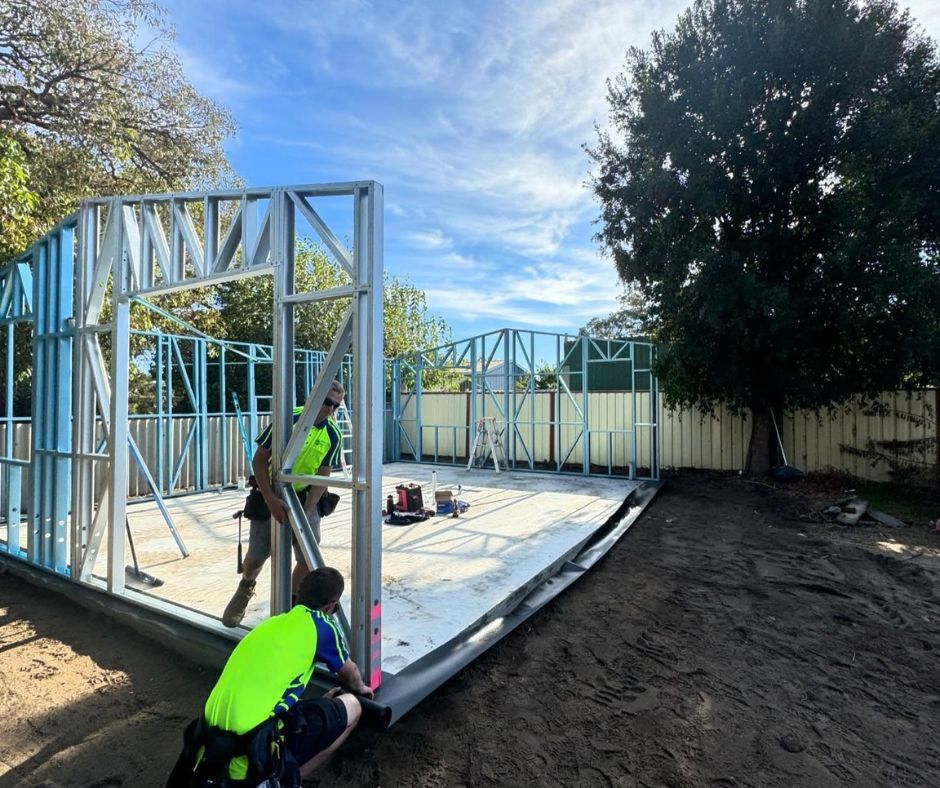
Engineers size framing and tie-downs to your wind region. Include termite protection that suits your site and construction method.
Soil Classification and Footing Design Checks
Commission a geotechnical report at the outset. The site class informs slab thickness, stiffening, and drainage details.
Site Drainage and Flood Risk Considerations
Map overland flow paths and any flood overlays early. Set finished floor levels and specify measures that direct water away from buildings.
Approvals and Timeframes
Plan your path from concept to permit before you start. Sequencing each step around granny flat building requirements in Perth shortens the schedule and protects your budget.
Approvals Pathway and Documents
Map the route early so you know which consents apply to your site. Keep a simple checklist for forms, fees, and required attachments.
Planning Approval Needs by Suburb and Zoning
Confirm your zoning and any local policy before design work begins. If your plan fits the deemed-to-comply rules, you can follow the simplest path.
Building Permit Requirements and the Certifier Role
Engage a private certifier to issue a Certificate of Design Compliance. Submit this with your application so the council can assess your permit without gaps.
What Drawings and Reports to Prepare
Provide a survey, site plan, floor plans, elevations, and sections with clear scales. Add engineering, an energy report, drainage details, and BAL if applicable.
Owner-builder vs. Registered Builder Considerations
Owner building can trim costs but increases coordination and risk. A registered builder manages trades, warranty, and program control.
Typical Timeframes from Submission to Permit
Allow time to compile reports and complete certification before lodging. Councils then work within statutory periods, and complete files move faster.
Common Compliance Issues to Avoid
Oversize Cap or Setback Shortfalls
Keep the internal area within the cap and check every dimension twice. A shortfall by centimetres can trigger redesign and delay.
Overlooking from Upper Windows
Apply visual privacy controls to all habitable windows and decks. Use sill heights, screening, or extra setback, and show these on the drawings.
Heritage or Bushfire Overlays Missed
Search overlays before concept design and note the results on the plans. Heritage controls and BAL ratings can change materials and details.
Insufficient on-site Parking
Confirm whether an extra bay is required for your lot and street. Show compliant bay size, turning, and access on the site plan.
Incomplete Documentation at Lodgement
Do not lodge without engineering, energy, and drainage information. Missing items pause assessment and stretch the program.
Costs, Designs and ROI within Perth Rules
Cost Drivers: Site Works, Services, Finishes
Budget for earthworks, retaining, and service trenching as early items. Finishes, wet areas, and cabinetry usually move the price the most.
Design Tips to Maximise Space within Caps
Keep a simple footprint and standard spans to control structure. Stack wet areas and add built-ins to boost storage without adding area.
Rental Demand Trends By Area
Target suburbs near transport, jobs, and schools to lift enquiry. Check current rents and vacancy so your numbers reflect the market.
Indicative Payback Periods and Value Uplift
Match realistic rent to total build cost to test yield. A compliant flat can add steady income and improve resale appeal.
Ways to Future-proof for Multi-use
Plan near-level entries, step-free showers, and wider doors. Keep a services cupboard for upgrades and allow space for future rails.
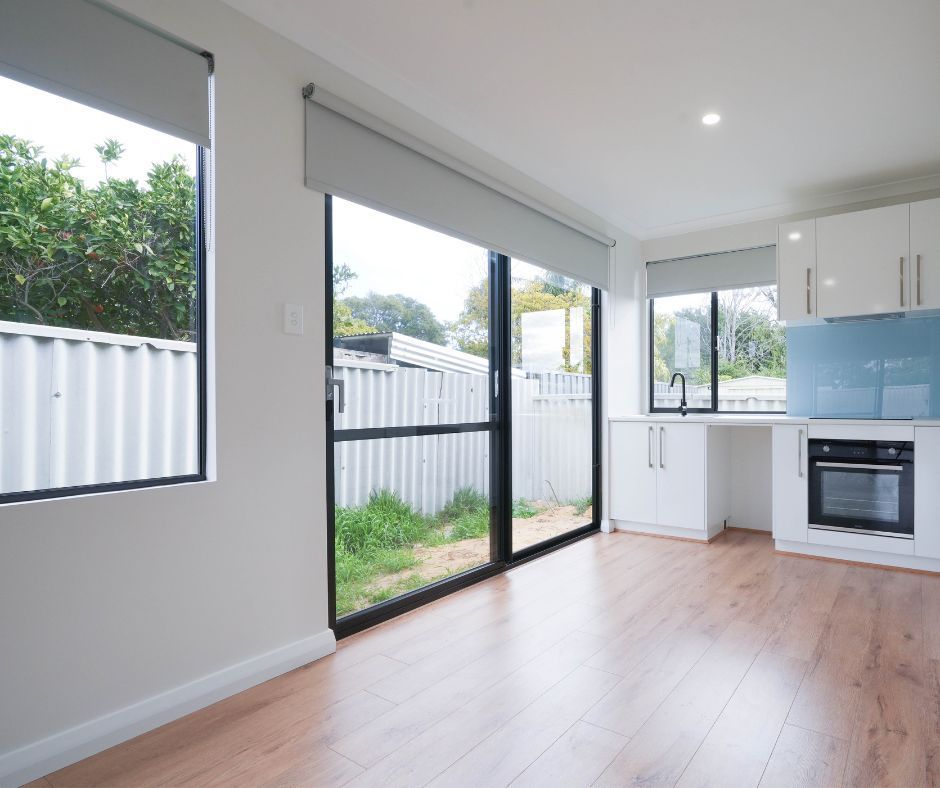
Ready to Navigate Granny Flat Regulations in Perth with Confidence?
Book a free site review and compliance check with Prestige Homes and Granny Flats. We will confirm your R-Code, size cap, and setbacks, and flag any overlays or local rules under granny flat regulations in Perth.
Receive a concept plan and an itemised estimate with a clear approvals timeline. You will know the scope, the costs, and the next steps before you commit to a custom home or a granny flat build.
Contact us to discuss your block. Book a consultation to turn your idea into a permit-ready project with a clear step-by-step plan.
FAQs
1. Who is Prestige Homes & Granny Flats, and where do they build?
Prestige Homes & Granny Flats is a Perth builder specialising in custom homes and granny flats. The team serves WA homeowners with fast turnarounds and tailored solutions.
2. Do they help with council approvals under granny flat regulations in Perth?
Yes. They guide the approvals pathway, prepare required documentation, and coordinate certification from design to permit.
3. How fast can a granny flat be built while meeting the requirements?
Build programs commonly target under 14 weeks, subject to eligibility and compliance. This timeframe refers to construction after approvals are complete.
4. How can Prestige provide us support on the building requirements for granny flats, including size, setbacks, and services?
Our designs follow WA regulations, with plans and reports prepared for certification. The aim is a compliant and functional layout that suits the site saving you time and hassle!
5. Is a free consultation or quote available for granny flat requirements in Perth?
Yes. A free, no obligation consultation or quote is available to help plan next steps.
6. How can Prestige Homes & Granny Flats be contacted about granny flat requirements?
Call us on 08 9465 1045 for enquiries. You can also email sales@prestigeperth.com.au or use our contact form.
7. Do they also build custom homes alongside granny flats in WA?
Yes. The company designs and builds custom homes as well as granny flats, which lets clients compare options for their block and goals.
8. Where can you read more about granny flat building requirements and approvals in WA?
The company blog covers approvals, timelines, and practical compliance tips. Start with the WA granny flat approvals guide.