Does a Granny Flat Add Value to Your Home? Key Factors Explained
For many homeowners, a granny flat is more than a small cabin out the back. It is a mini home on your block that can house family, bring in rent or give you extra space.
The big question is simple. Does a granny flat add value to your home, or is it just an expensive garden project? This guide explains how we work, where we add value and when we may not be worth it.
What Is a Granny Flat and How Does It Work?
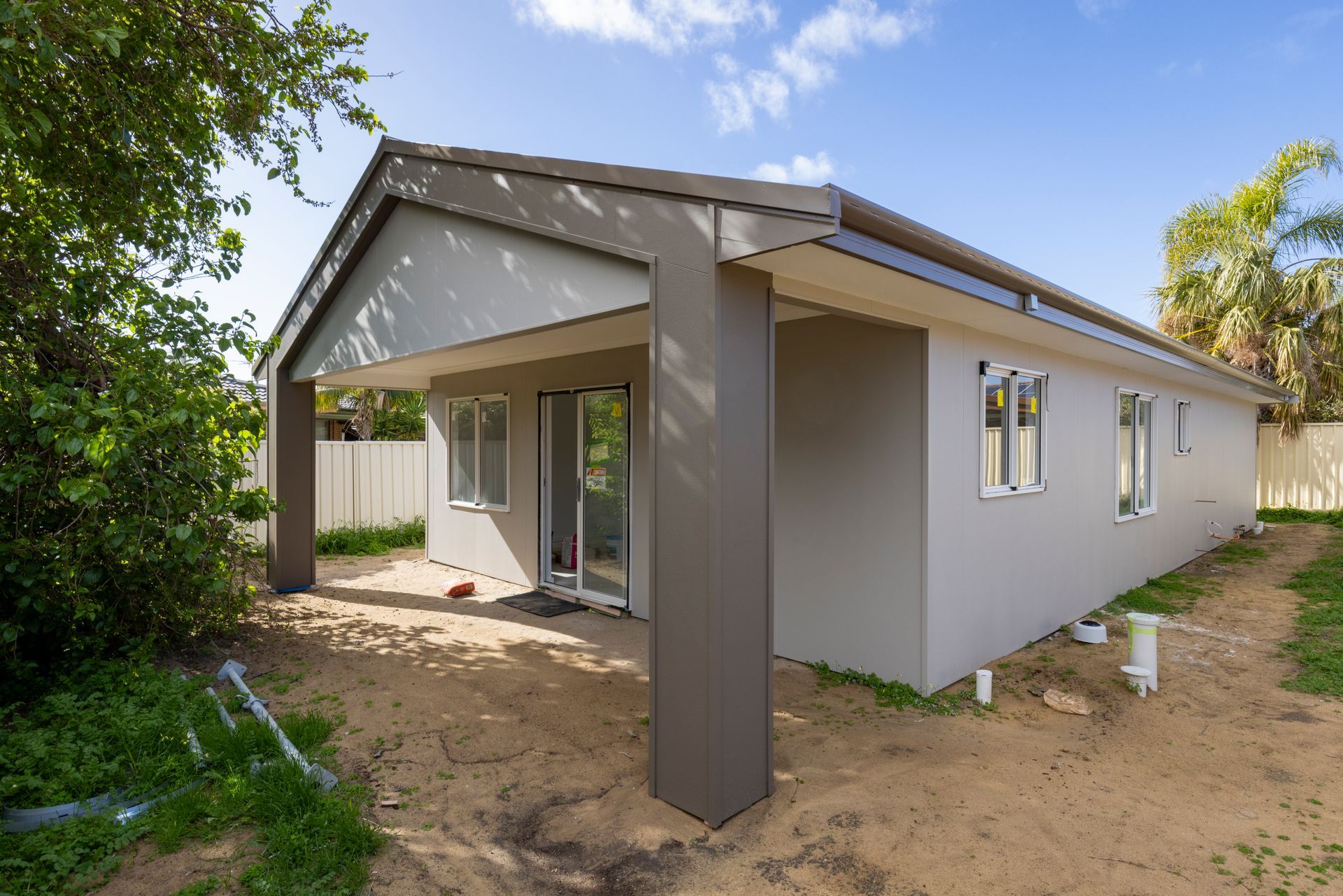
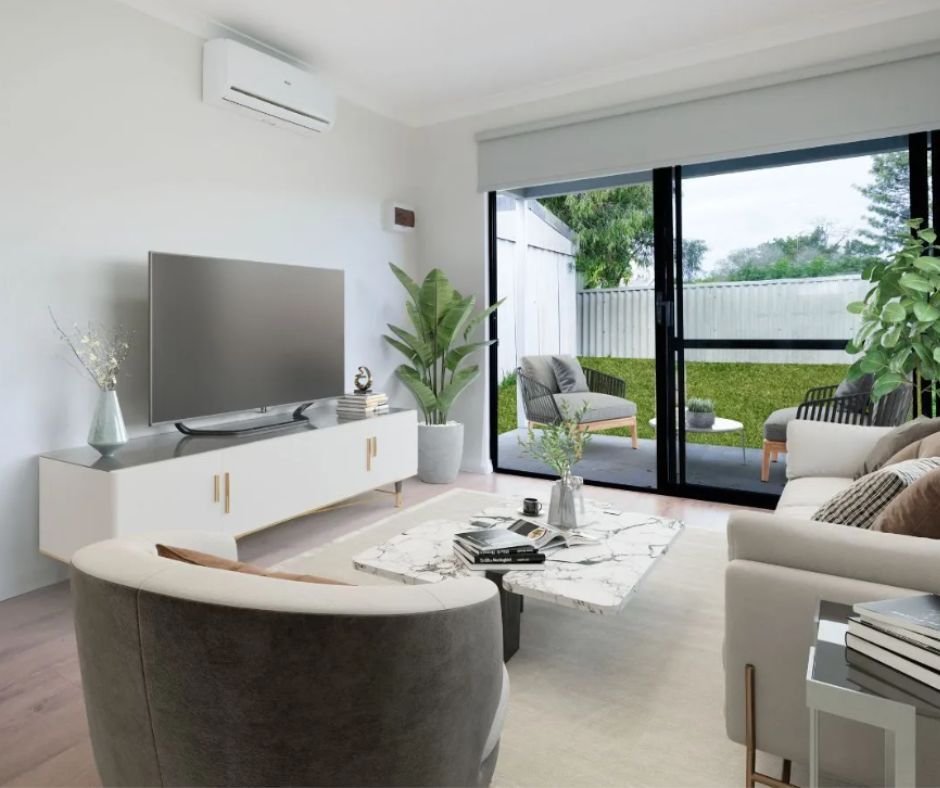
A granny flat is a self-contained secondary dwelling on the same title as your main house. It has its own entry, kitchen, bathroom, living area and at least one bedroom.
Think of it as a compact home that shares your backyard, not a shed with a sink. In Australia, people also call them secondary dwellings, ADUs, Fonzie flats or garden studios.
Some owners use them for parents, adult children or guests. Others use the space as a rental for extra income or as a future downsizer home.
Does a Granny Flat Add Value to Your Home? Big Picture
Most owners want to know if a granny flat will truly boost their property’s worth or just tidy up the backyard. It can affect value, income and lifestyle.
Capital Value Uplift
A well-designed granny flat can lift your property value. The actual gain depends on recent sales, demand for dual-income homes and how well it suits your block.
Rental Income and Yield
A compliant granny flat can turn one property into two rental streams and lift your overall yield. Many owners focus on how quickly that extra rent can pay back the build cost.
Lifestyle and Non-Financial Value
A granny flat can give parents, grandparents or adult children their own space while staying close. It can also double as a quiet home office or studio that makes daily life easier.
When Value Might Be Limited
Value can be modest or even fall if the flat takes most of the yard or crowds the block. In areas where buyers want bigger gardens or the flat feels cramped or cheap, many will see it as a drawback.
Key Factors That Influence How Much Value a Granny Flat Adds
If you are wondering does granny flat increase property value, the truth is that it varies, and these factors decide whether you get a solid boost, a small gain or very little change.
Local Market Demand
Strong tenant and buyer demand in your suburb supports healthier rent and stronger valuations. If demand is weak, vacancy risk rises and returns can shrink very quickly.
Location and Block Characteristics
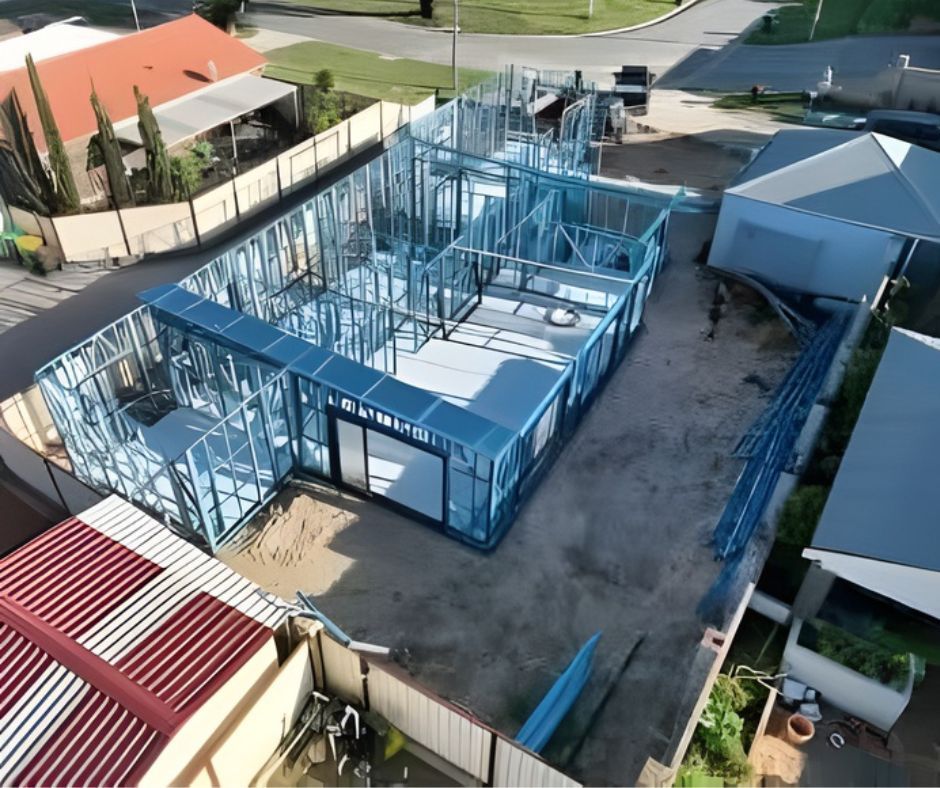
A good-sized block with access, parking and privacy is easier to design, approve and live in. Steep sites, tricky services or poor orientation can push up costs and limit what you can build.
Design, Size and Layout
To add value, the granny flat should feel like a real small home, not leftover space. Match bedroom numbers and layout to local rental demand so it is easy to lease.
Build Quality and Specifications
Quality materials and finishes attract better tenants and support higher rent. Good insulation, separate metering where possible and basic accessibility help long term comfort and value.
Impact on the Main Dwelling
The granny flat should not overpower the main house or swallow the yard. Keep light, privacy and usable outdoor space for both homes.
Financial Upside: Income, Tax and Lending Benefits
A well-planned granny flat can improve more than just lifestyle. It can support cash flow, tax planning and finance options.
Rental Income and Cash Flow
Compare the full build cost with realistic weekly rent for similar flats near you. Include vacancies, management fees, insurance and maintenance in your sums so you see true cash flow.
Impact on Property Value and Equity
An extra dwelling and rental stream can lift your valuation over time if demand is there. Extra equity may help you refinance, release funds or buy again.
Depreciation and Tax Deductions
If the granny flat is rented, you may be able to claim building depreciation and fittings such as appliances and floor coverings. Interest on the related loan portion, rates, insurance and repairs may also be deductible, with proper tax advice.
Borrowing Capacity and Finance Strategy
Some lenders include part of the expected rent when we assess your borrowing capacity. You may need a construction or renovation loan, so it helps to work with a broker who understands granny flat projects.
Costs, Risks and When a Granny Flat May Not Add Value
A granny flat can be a smart project, but it is not risk-free, so it is worth asking does a granny flat add value to your home before you start.
Upfront and Ongoing Costs
Budget for design, surveys, approvals, building work, services and landscaping. After it is built, allow for higher rates, insurance, maintenance and property management.
Overcapitalisation Risk
You risk overcapitalising if what you spend is not reflected in the final value. This is more common in lower-priced suburbs, so get advice from a local agent or valuer before you lock in plans.
Rental and Vacancy Risks
Some areas have limited demand for granny flats, which can mean longer vacancies or lower rent. Better privacy, parking and amenities usually make the flat easier to lease.
Resale and Buyer Appeal
Granny flats can attract investors and extended families. We may turn off buyers who want a big yard or side access for kids, pets, caravans or boats.
Practical Headaches
Two homes on one block can mean parking congestion, shared driveway issues and extra noise. Clear layouts, defined boundaries and firm tenancy agreements help keep things manageable.
Approvals, Regulations and Legal Considerations
A granny flat is treated as a real home under the law. It must meet planning, building and safety rules.
Planning and Zoning Rules
Planning rules differ by state, territory and council. Check zoning, lot size, setbacks, height limits and whether separate renting is allowed before you commit.
Building Codes and Compliance
Your granny flat must comply with the National Construction Code and safety standards. Use licensed designers, engineers, builders and certifiers so approvals and inspections are done properly.
Renting Out Your Granny Flat
Confirm that separate leases are allowed on your property type and in your council area. Learn your landlord duties, tenancy laws and safety checks such as smoke alarms and electrical compliance.
Tax, Insurance and Legal Advice
Rental income can affect income tax, capital gains tax and land tax. Review your insurance to cover both dwellings, and consider written agreements with family occupants.
Design Tips to Maximise Value and Liveability
Does a granny flat add value to your home is a common question, and these tips can help you maximise value and liveability for both households.
Site Planning and Privacy
Position the flat so it sits comfortably on the block and feels separate from the main house. Use orientation, fencing and planting to protect privacy and create separate entries and outdoor areas.
Layout, Comfort and Functionality
Choose an open, practical layout that makes the most of the space. Add storage, natural light, ventilation and simple energy-efficient features so it feels good to live in all year.
Finishes and Inclusions
Pick durable, low-maintenance finishes that handle everyday wear. Modern kitchens and bathrooms with reliable appliances help justify higher rent and keep the flat appealing.
Future Flexibility
Design the granny flat to work as a rental now and as a guest suite, home office or studio later. Allow for simple future changes as your family and the local market change.
Is a Granny Flat Right for Your Property?
Before organising plans and quotes, make sure to set a goal. Decide if you want income, family space, a downsizer option or a stronger resale result.
Take an honest look at your block. Ask if there is enough room, privacy, access and services to add a second dwelling without crowding the yard or upsetting how the main house works.
Then test the numbers. Map out full costs, likely rent, loan repayments and a buffer for vacancies or rate rises, and check if the project still makes sense.
Key Takeaways: Does a Granny Flat Increase Property Value?
The big question is, does a granny flat add value to your home? In many cases it can, because it adds extra living space, potential rental income and more flexibility for families and investors. The result still depends on your area, the design and what you spend.
Granny flats usually work best where rental demand is strong, the block has enough space and you are thinking long term. A suitable site, practical layout and solid build all help the value and rental numbers stack up.
Think carefully if your block is very small, build costs are high or buyers and tenants in your area are not keen on secondary dwellings. In those situations, the gain in value may be modest, and the project may not be worth the risk.
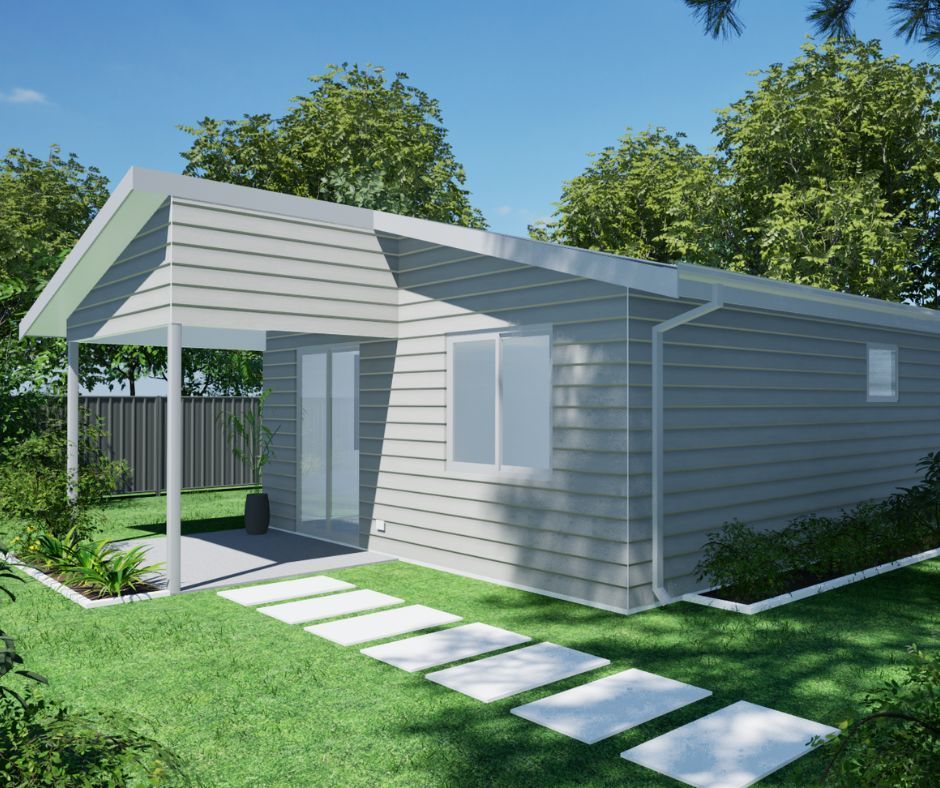
Ready to Add Value with a Granny Flat? Talk to Prestige Homes
If you are thinking about a granny flat and want to know if it will work on your block, Prestige Homes can help. You can request a simple granny flat feasibility so you understand what you can build, how much it may cost and what it could return.
Our team designs and builds custom homes and granny flats that suit your site and budget. We can help you with design, council approvals, budgeting and the full build so you have clear steps from first idea to finished home.
FAQs
1. How much value can a granny flat add to my property?
There is no fixed figure. The uplift depends on comparable sales, presentation, build quality and demand for dual-income or multigenerational homes in your suburb.
2. Does a granny flat always increase property value?
No. Poor design, low-quality work, cramped blocks or overspending can limit value. Some buyers may prefer a large lawn instead.
3. How much rental income can a granny flat generate?
Rent varies by suburb, size, design and inclusions. The best guide is a rental appraisal from a local property manager.
4. Do I need council approval to build and rent out a granny flat?
Yes. You must meet planning rules and hold a building permit, and you may face extra rules for renting. Always confirm details with your council.
5. Does a granny flat increase my council rates and insurance?
It often does. More built area and higher replacement costs can lift both. Check with your council and insurer before you start.
6. How much does it cost to build a granny flat?
Costs depend on size, finishes, site conditions and service upgrades. Get a detailed fixed price quote and allow a buffer for surprises.
7. Are granny flats a good investment for first-time investors?
They can be, especially if you already own the land and the numbers work. You still need to plan for finance, tax, maintenance and vacancy risks.
8. What are the main risks of adding a granny flat?
Key risks include overcapitalisation, vacancies, tenant issues and a reduced yard appeal for some buyers. There can also be parking, noise and access challenges.
9. Will a granny flat affect capital gains tax when I sell?
If you rent the flat, there may be capital gains tax effects when you sell. Get advice from a tax professional before you decide.
10. Does a granny flat increase property value if I only use it for family?
Yes. It adds usable space and can appeal to buyers who want multigenerational living or a future rental option, even if you never rent it out yourself.