Building a New Home Checklist: Step-by-Step Guide for Homeowners
Building a new home starts out fun, then reality shows up with spreadsheets, site reports, and a deadline attached to every choice.
This checklist for building a new home keeps you organised from budgeting to handover. You will know what to decide first, what to confirm in writing, and what to track each week so costs and timelines stay under control.
You can copy it, print it, and use it weekly to cut down surprises and stress. It also includes practical tips on budgets, selections, approvals, and inspections.
Checklist for New Home Planning: What to Sort Out First
Stay on budget and on schedule by sorting the essentials first. To avoid unpleasant surprises when building a new home, use this checklist for planning.
Set Your Budget Baseline
Include land, building, site costs, fees, finishes, and a contingency buffer. To avoid scrambling, match progress payments to your cash flow.
Choose the Right Land
Check slope, access, soil type, services, and neighborhood fit. Price the block extras early, like retaining, drainage, and longer connections.
Line Up Your Builder and Team
Compare quotes, inclusions, timelines, and past work you can verify. Confirm builder license, insurance, warranty, and how updates and decisions will run.
The One Checklist for Building a New Home (Step List)
Use this step list as your checklist for key decisions, and tick items off as you go. It also works well as a building a new home checklist you can keep with your documents, so handover is simpler and nothing goes missing.
Budget and Finance
After listing each expense line by line, add a buffer that you don't touch. Get pre-approval early and confirm how your lender handles progress payments.
Land Due Diligence
Review site constraints, soil type, access, and service connections before you commit. Allow for unexpected site work like drainage, rock removal, or retaining.
Builder, Contract, Approvals
Set specific builder selection criteria, rather than just "best price." Check contract inclusions, permits, and the inspection schedule to ensure that nothing is overlooked.
Design Decisions Before Selections
Lock in floor plan priorities and storage first, because changes later cost more. Map kitchens, bathrooms, electrical, and lighting with a room-by-room walk-through.
Build Stage Oversight
Track the timeline, variations, and quality checkpoints as part of building a new home checklist. Confirm plumbing, electrical, and HVAC placements early, before walls go on.
Handover and Move-In
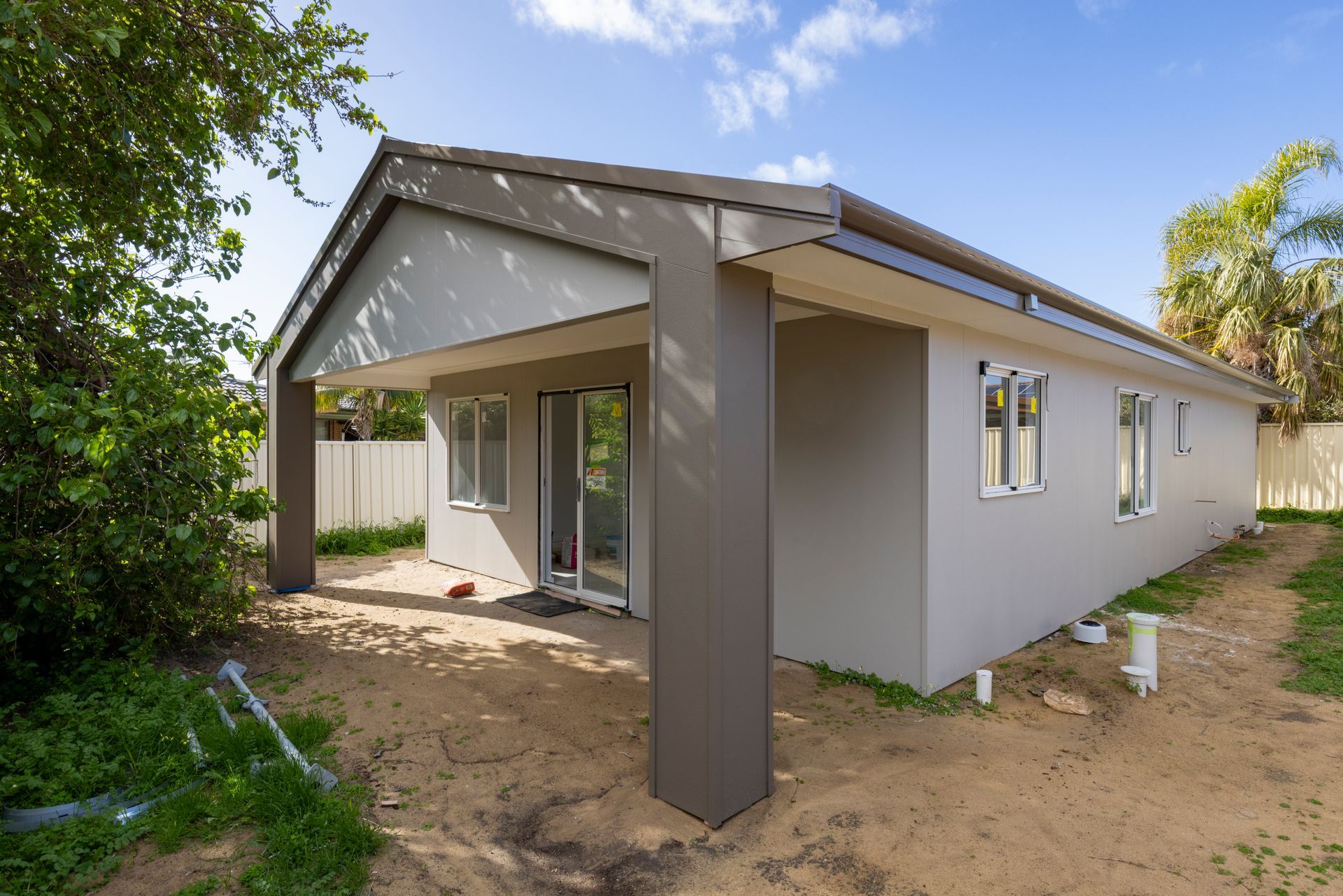
Perform a final walkthrough, test everything, and create a defect list on the spot. File warranties, manuals, approvals, and key contacts in one folder you can find fast.
Cost Blowouts to Watch Out For and How to Avoid Them
Most cost blowouts are not bad luck. They are the result of predictable pressure points, usually dressed up as “just a small upgrade” or “we will sort it out later”.
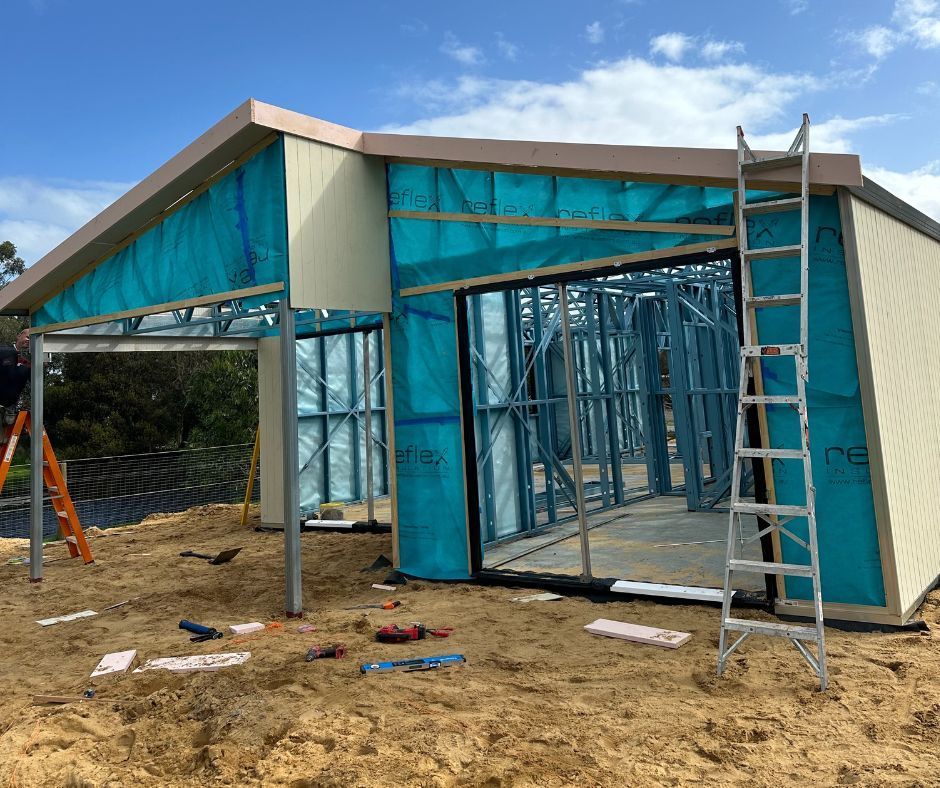
The big triggers are upgrades that start as a single choice, then get repeated across the whole home. Variations also stack up when decisions are late or the plans are not clear. Site issues can bite too, especially poor soil, drainage problems, or tight access that forces extra labour and machinery. Then there are finishing costs that were never included in the quote, like landscaping, driveway works, fencing, and window coverings.
To keep the budget under control, start with a must-have list before you touch the selections. Set caps for key items like tiles, tapware, and flooring, so decisions stay inside your budget range. Track every change in a variation log with the cost and time impact, and do not approve anything verbally. Finally, treat provisional sums as a warning sign that the price may move, not a bargain that will magically stay the same.
How to Use This Guide During the Build
A checklist for new home only works if you use it often. Treat it like a routine, not a rescue plan when things feel messy.
Weekly
Check what decisions are due next, then confirm them in writing so nothing gets missed. Record your site update, note what changed, and list the next milestone so the build stays on track.
Monthly
Compare your budget against what has actually been spent, including approved variations and upcoming payments. Review your contingency and keep it untouched unless it is a real surprise, not a nicer tapware set.
Plan Your Build With Prestige Homes & Granny Flats
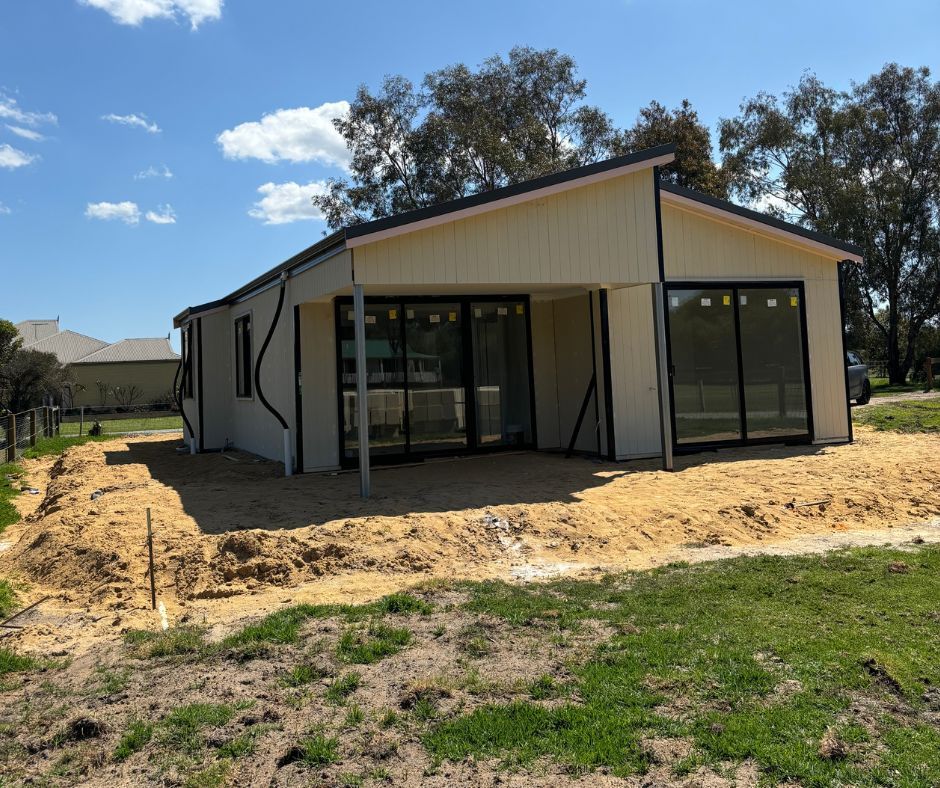
Prestige Homes & Granny Flats helps homeowners build new homes and granny flats with a clear plan and fewer last-minute scrambles. Building feels simpler when tasks are staged, decisions are tracked, and every “small change” gets checked before it hits your budget.
Save this building a new home checklist and use it weekly to stay ahead of choices, quotes, and approvals. If you want straight answers and a team that keeps the process moving, contact us to talk through your new home or granny flat build.
Key Takeaways
Keep your budget realistic by including fees, finishes, and a contingency buffer from the start. Choose land with your eyes open, because soil, slope, and service connections can add cost and time.
Lock in major design decisions before selections so you avoid expensive changes later. Check your contract for inclusions, timeline, approvals, and how variations are handled, then inspect carefully at handover and file every document in one folder.
FAQs
1. What should a building-a-new-home checklist include?
- It should cover budgeting, land checks, approvals, design choices, build stages, and handover tasks. Include a section for documents, warranties, and a variation tracker.
2. What is the best checklist for new home planning?
- The best checklist for building a new home starts before you choose a design and forces you to confirm costs, land constraints, and builder details early. It should also include decision deadlines so nothing is rushed later.
3. How much contingency should I allow when building a new home?
- A common buffer is around 10% to 15% of your build budget, depending on site complexity and upgrade plans. Keep it separate so you do not accidentally spend it on early selections.
4. What are the most commonly forgotten building costs?
- Many homeowners miss site works, service connections, council or planning fees, and legal costs. Landscaping, fencing, window coverings, and driveway expenses are examples of finishing touches that are frequently left out.
5. When should I get finance pre-approval for a new home build?
- Prior to signing anything, get pre-approval so you are aware of your actual borrowing capacity. Verify your lender's progress payment procedure as well to ensure that cash flow corresponds with building stages.
6. What should I check before signing a building contract?
- To prevent costs from increasing, review the variation process, provisional sums, inclusions, and exclusions. Verify the warranties, the estimated timeframe, and the factors that cause progress payments.
7. What design decisions should I finalize before selections?
- Decide on the main structural options, room sizes, window locations, and floor plan first. This makes selections easier and reduces expensive changes later.
8. How do I plan electrical points and lighting for a new home?
- Walk through each room and plan power points where you will actually use appliances, chargers, and lamps. Layer lighting with ambient, task, and feature lighting so spaces feel practical and comfortable.
9. What should I look for during the final handover inspection?
- Check finishes, doors, windows, taps, appliances, and surfaces for defects, damage, or incomplete work. Test switches, power points, hot water, and heating or cooling before you sign off.
10. What documents should I keep after moving into a new build?
- Keep your contract, plans, permits, certificates, warranties, manuals, and contact list for trades. Store them in one digital folder plus a printed backup for quick access later.