Granny Flat Interior Design Ideas for Small Granny Flats
A small granny flat can feel roomy with a good layout. The goal is to make the space feel bigger without adding any extra floor area.
Here are simple tips for a small granny flat interior design ideas including layout, light, storage, and finishes. Start with the plan first, then add style, because styling cannot fix a tight layout.
Granny Flat Interior Design: Start With Space Planning
Before you pick colours or furniture, decide who will live in the granny flat and how they will use it each day. Think through the basics such as cooking, relaxing, sleeping, storage, and laundry, so the space supports real routines.
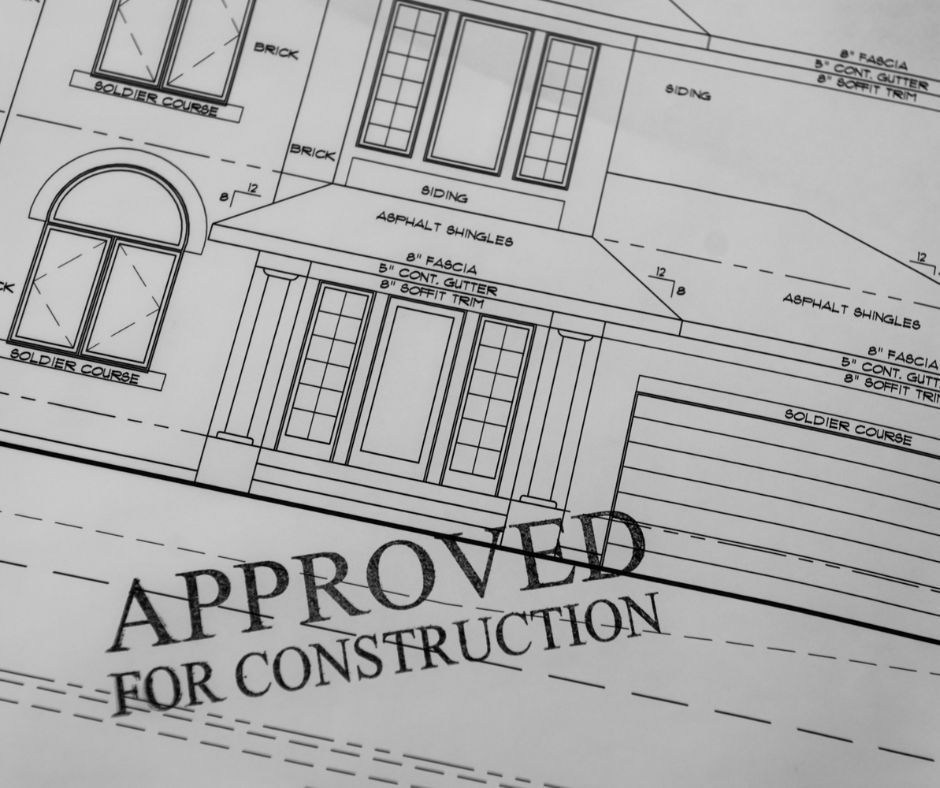
Sketch a simple floor plan and mark clear zones for each task. Place the must-have items first, such as the bed, sofa, and dining spot, then add extras only if they fit. Plan the layout before you buy furniture, because the wrong piece can make the space feel cramped.
Granny Flat Interior Design Ideas: Choose a Layout that Feels Open
These are the layout moves that help a small granny flat feel more open. Use them to improve flow and daily living.
Open-Plan Living for Small Spaces
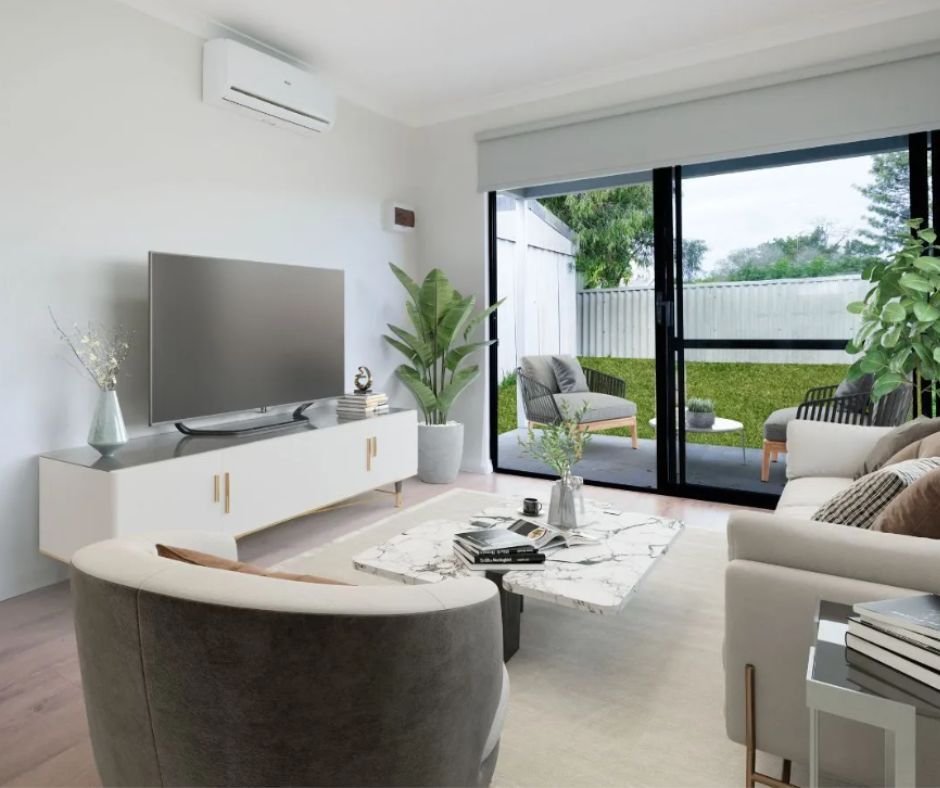
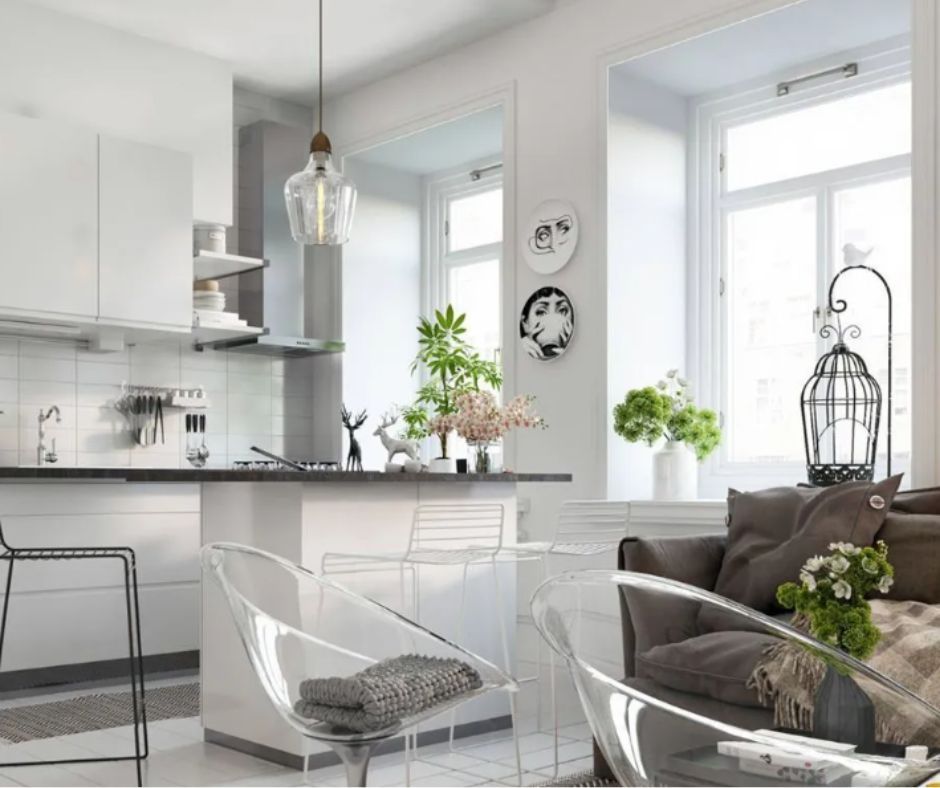
Combine the kitchen, dining, and living areas so the main space feels larger and more open. Fewer internal walls also improve sight lines and help light spread through the space.
Make Circulation Easy
Keep walkways clear so moving around the granny flat feels natural. Avoid tight pinch points near doors and corners by leaving enough clearance and choosing slimline pieces.
Create Flexible Zones
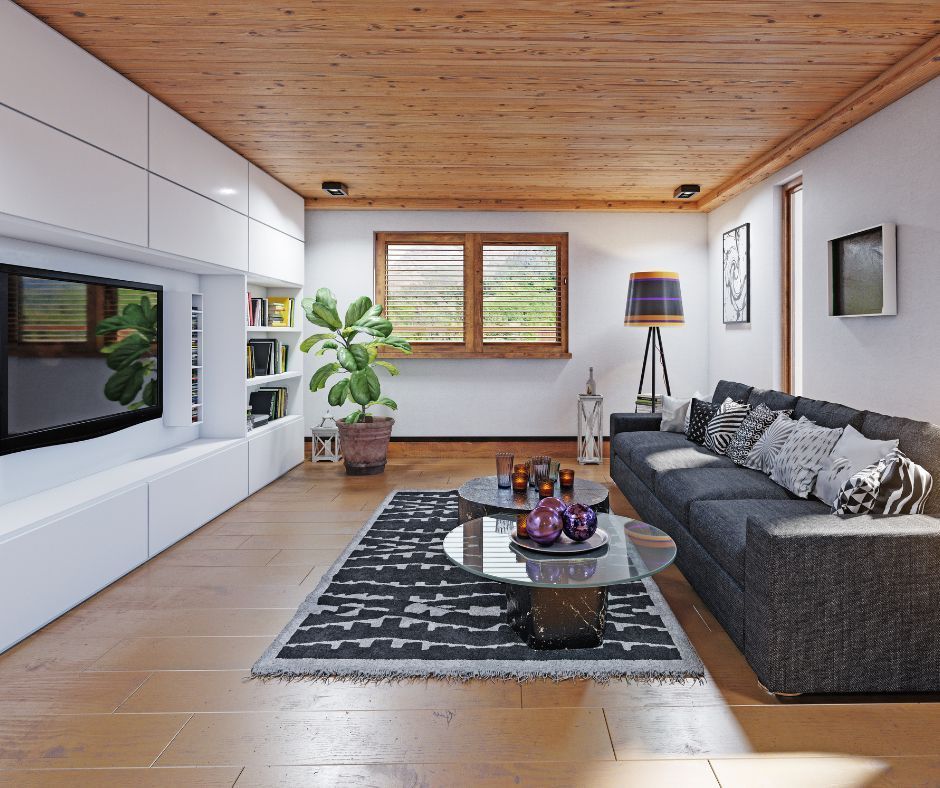
Use rugs and lighting to define areas without closing them off. Open shelving works well as a soft divider because it adds storage while keeping the room feeling open.
Small Granny Flat Interior Design Ideas: Maximise Natural Light
Natural light can make a small granny flat feel bigger and more comfortable. The more light you bring in, the less the space feels tight.
Window and Skylight Ideas
Use larger windows in living areas where you spend the most time. Add skylights in darker spots, like hallways or bathrooms, to brighten the space and make it feel more open.
Keep Light Flowing
Keep windows clear so daylight can reach further into the space. Use sheer blinds, light curtains, or frosted film to keep privacy without blocking light.
Granny Flat Interior Design Ideas: Use Light Colours and Visual Continuity
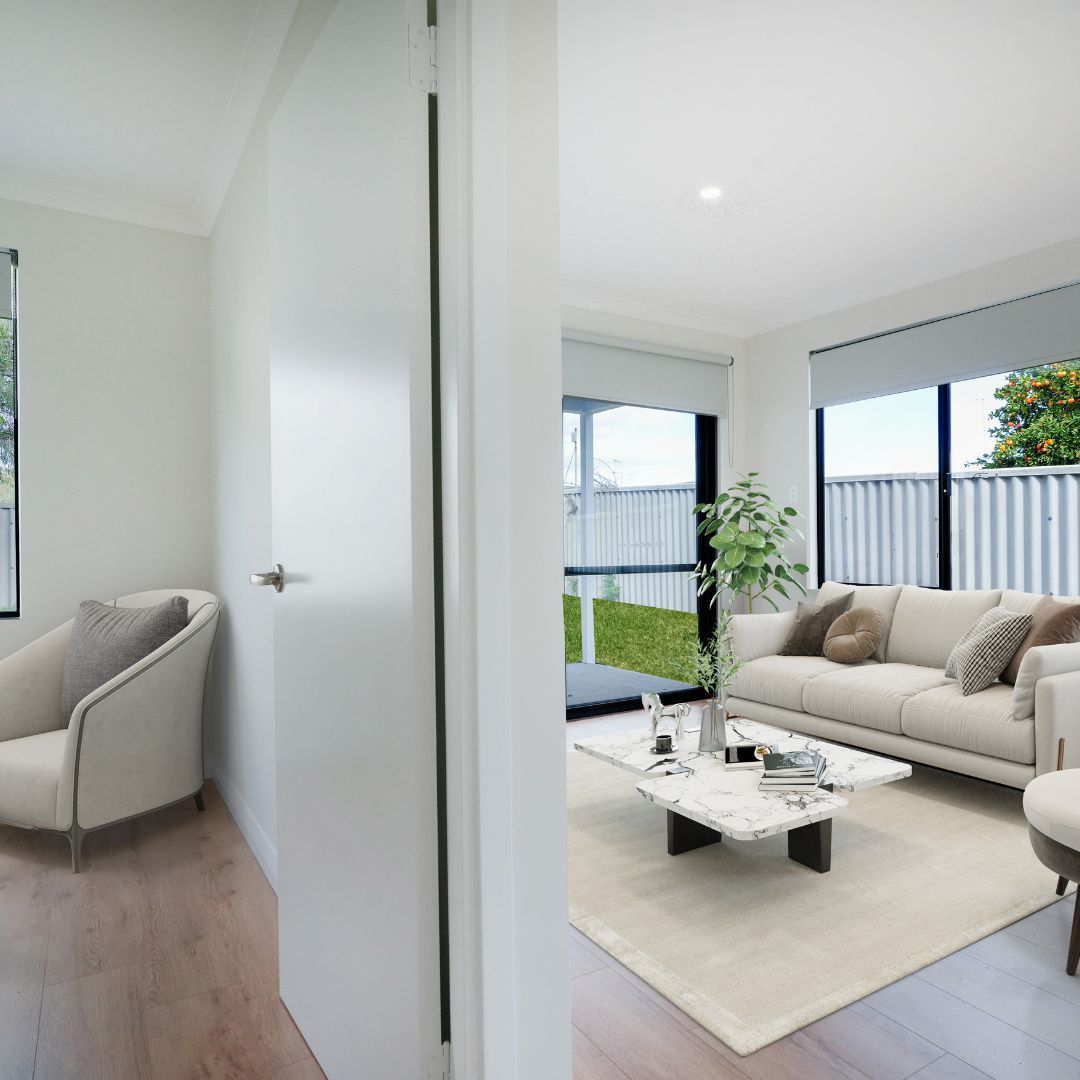
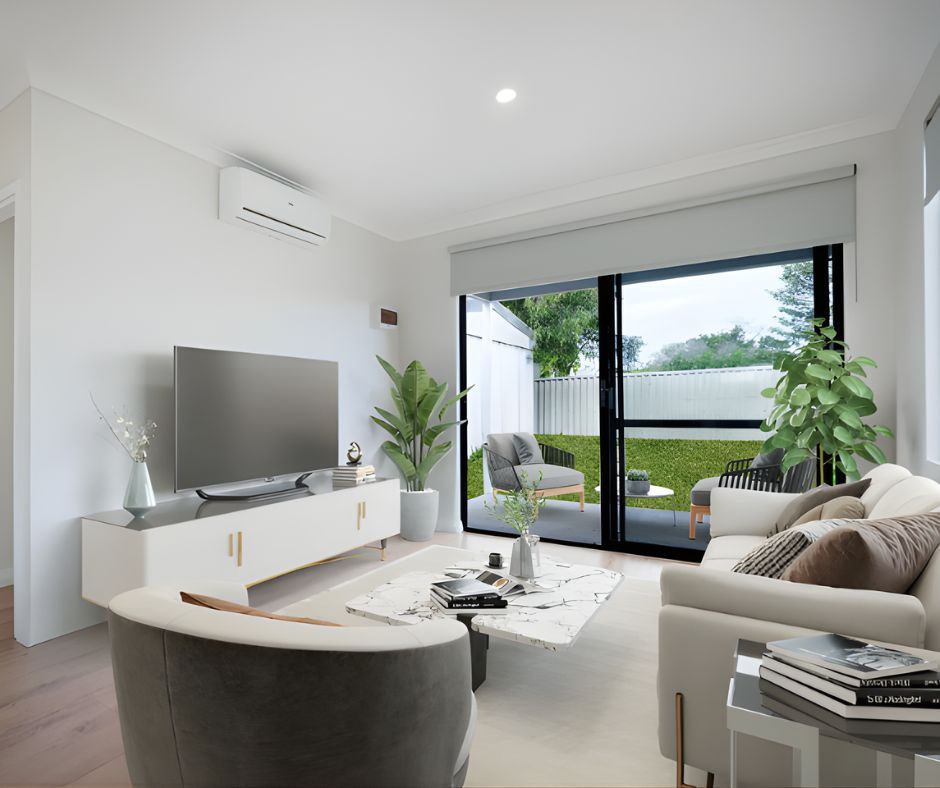
Light paint reflects daylight, which helps a small granny flat feel brighter and more open. Keep a neutral base palette across walls, main furniture, and larger surfaces so the space feels calm, consistent, and easy on the eye.
Add colour through soft furnishings like cushions, throws, rugs, and artwork, so it is easy to update later. Use one theme across the home and avoid too many patterns, because busy prints can feel crowded.
Furniture that Works Hard
Skip lots of tiny furniture pieces, because they make the room feel busy. Choose a few well-sized essentials that fit the space and leave clear walking room.
A sofa bed is handy for guests without needing a spare room. Add storage ottomans, a coffee table with storage, and a folding or extendable dining table to save space day to day.
Storage Ideas that Reduce Clutter
Built-in wardrobes and cupboards are worth it because they use space efficiently. If built-ins are not possible, choose storage that sits flush to walls and keeps floors clear.
Use shelves as storage and as a soft divider between zones. Go vertical with tall cabinets, add under-bed storage, and keep decor minimal so the space stays tidy.
Doors, Ceilings, and Mirrors
Internal sliding doors save space by removing the door swing. They also help small rooms feel easier to move through.
Glass sliders can connect the indoors to the outdoors and bring in more light. A raked ceiling can add height, and mirrors placed opposite a window can bounce light and add depth.
Flooring and Finishes that Last
Using the same flooring across living zones helps the space feel larger and more connected. Light-coloured flooring can also lift the room and keep it looking bright.
Choose durable, easy-care finishes that handle daily wear and simple cleaning. Keep fixtures the same style throughout and choose quality window treatments, so the home looks finished and pulled together.
Small Granny Flat Interior Design Ideas for Narrow Layouts
A narrow block frontage is usually 8.5m to 12.5m. Some narrow granny flats can be 5.5m wide or less. In these layouts, small choices matter more because there is less space to recover from a bad plan.
Put bedrooms at opposite ends when you can to improve privacy and reduce noise. A straight-line plan with a simple hallway can work well, then use light, built-in storage, and sliding doors to keep the space feeling open.
Room-by-Room Quick Checklist
Use this checklist to keep each room practical and easy to live in. Small spaces work best when every item has a clear job.
Living
Choose one main sofa that fits the room and leaves clear walkways. Add a compact coffee table with storage, and use layered lighting for day and night.
Kitchen
Keep bench space clear so cooking stays simple and stress-free. Use vertical storage, wall rails, and easy-clean surfaces to reduce mess.
Bedroom
Pick a bed base with built-in storage to cut down on clutter. If you can, add a built-in robe and use wall lights to free up bedside space.
Bathroom and Laundry
Use wall-mounted storage so the floor stays clear and easy to clean. Add hooks and shelves for daily items and choose moisture-resistant finishes.
Book a Design Consult with Prestige Homes & Granny Flats
With Prestige Homes & Granny Flats, plan the layout first, then style it once the space works. Whether you are building granny flats or custom homes, the right flow helps light travel better, storage work harder, and the whole space feel bigger.
Pick one upgrade at a time, starting with the changes that you will notice every day, like smarter storage, better lighting, and space-saving doors. If you want a clear plan and a no-fuss quote, call our team today and let’s map out a granny flat that feels open, practical, and easy to live in.
Key Takeaways
- Space planning prevents costly mistakes.
- Natural light makes small rooms feel bigger.
- Neutral colours and continuity reduce visual noise.
- Multi-use furniture saves space every day.
- Built-in and vertical storage reduces clutter fast.
FAQs
1. What are the best granny flat design ideas for small spaces?
- Focus on an open layout, light colours, and furniture that has more than one purpose. Add built-in storage and keep finishes consistent to reduce visual clutter.
2. How do I plan a granny flat interior design layout?
- Start by listing how the space will be used each day, then map zones for living, cooking, sleeping, and storage. Place the largest items first and keep clear walkways before adding extra furniture.
3. What small granny flat interior design ideas make rooms feel bigger?
- Maximise natural light with sheer window coverings and keep sight lines open by avoiding bulky dividers. Use mirrors, slim furniture, and a simple colour palette to create a more spacious feel.
4. What colours suit granny flat interior design in small homes?
- Soft whites, warm neutrals, and light greys help reflect light and make rooms feel larger. Add colour through cushions, artwork, and decor so the space stays bright and flexible.
5. How can I add storage without cluttering a granny flat?
- Choose built-in cupboards, full-height wardrobes, and wall shelving so storage uses vertical space, not floor space. Use hidden storage like ottomans, under-bed drawers, and baskets to keep surfaces clear.
6. Are sliding doors worth it for small granny flat interior design ideas?
- Yes, sliding doors are one of the best granny flat interior design ideas because they save space by removing door swing clearance. They also improve flow, and glass sliders can boost light and the indoor-outdoor connection.
7. Where should mirrors go in a granny flat interior design?
- Place mirrors opposite or next to windows to bounce natural light deeper into the room. Use a large mirror in living areas or hallways to create depth and reduce the feeling of tight spaces.
8. What finishes are most durable for a granny flat interior?
- Pick hard-wearing flooring and easy-clean surfaces that handle daily use, such as quality vinyl plank, tiles, or laminate. Choose washable paint, durable benchtops, and fittings that resist moisture in kitchens and bathrooms.
9. How do I design a narrow granny flat interior to feel open?
- For granny flat interior design, use a simple straight-line layout and keep hallways minimal to reduce wasted space. Use light colours, large windows, and sliding doors to improve flow and brightness.
10. What are common granny flat interior design mistakes homeowners make?
- Buying furniture before planning the layout often leads to cramped walkways and awkward room flow. Over-decorating and mixing too many colours or finishes can make small spaces feel busy and smaller.