Top Factors That Impact the Cost to Build a Custom Home in WA
It’s one thing to dream of your perfect home, the one that suits your lifestyle, but turning that dream into a concrete reality comes with a big question: How much will it actually cost to build a custom home here in Western Australia?
More homeowners are leaning towards custom homes to create something uniquely theirs. But without a good understanding of what impacts the total cost, it’s easy to feel overwhelmed as soon as the build begins.
Worry no more! Because we’re here to help you understand what to expect when it comes to custom-built home costs in WA.
How Much Does a Custom Home Cost in WA?
There’s actually no set price tag when it comes to building a custom home. Each home is unique, just like a fingerprint. But to give you a rough idea, a standard custom-built home in WA might range between $1,000 to $4,000 per square metre.
That means a modest 200m² home might cost around $200,000 to $800,000+. A larger or more luxurious home could exceed $1 million, especially with high-end finishes or complex designs.
How much a custom home costs exactly depends on many factors, which we’ll go through in the next section. If you're serious about building your home, your best bet is to get a personalised quote from a professional builder based on your location, design choices and site conditions.

Factors Influencing the Cost to Build a Custom Home
Each custom build comes with its own set of decisions, and each decision can shift your budget up or down. Here's what drives the cost to build a custom home:
Cost of the Land
Where you build your custom home matters a lot. In WA, land prices vary quite a bit depending on location.
- Inner-ring suburbs (e.g., South Perth, Subiaco)
The land here is premium. Think of bigger price tags for smaller plots.
- Middle-ring suburbs
Slightly more affordable and often a balance between city access and block size.
- Outer suburbs (e.g., Byford, Ellenbrook)
Ideal for those wanting a bit more bang for their buck. Larger land at lower costs, great for bigger families or budget builds.
Site Preparation
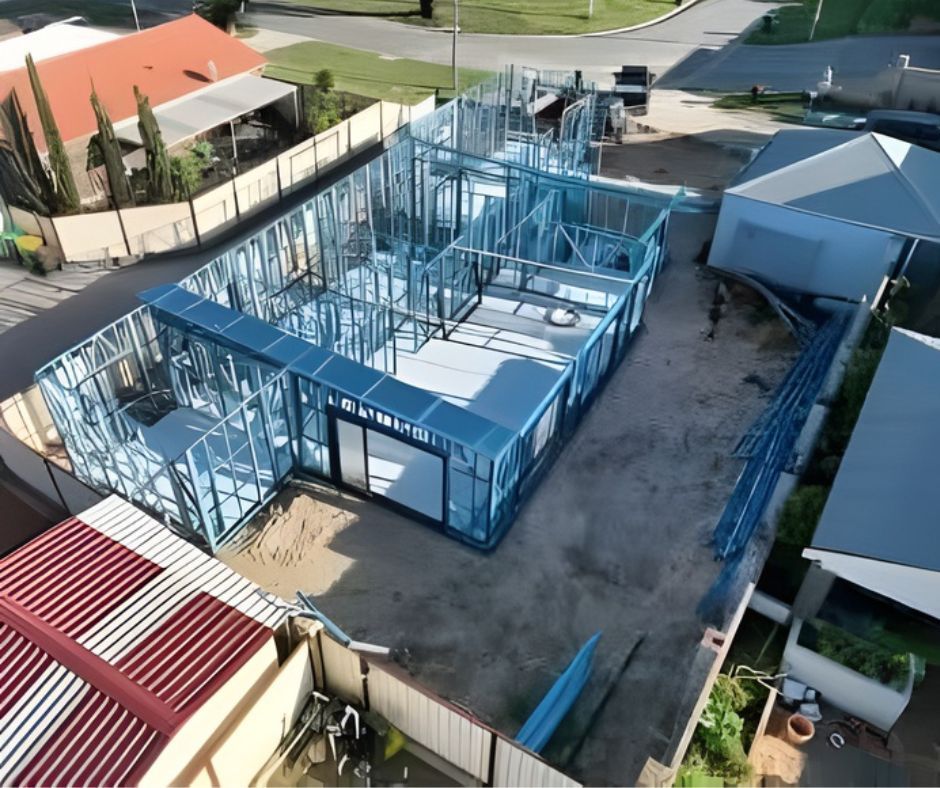
Before any building can begin, your land needs to be properly prepared. This might include clearing trees or old structures, levelling the uneven ground, testing the soil and adjusting foundations to suit the terrain. These early steps are important for a stable home, but can quickly add thousands to your upfront costs.
Design and Planning Costs
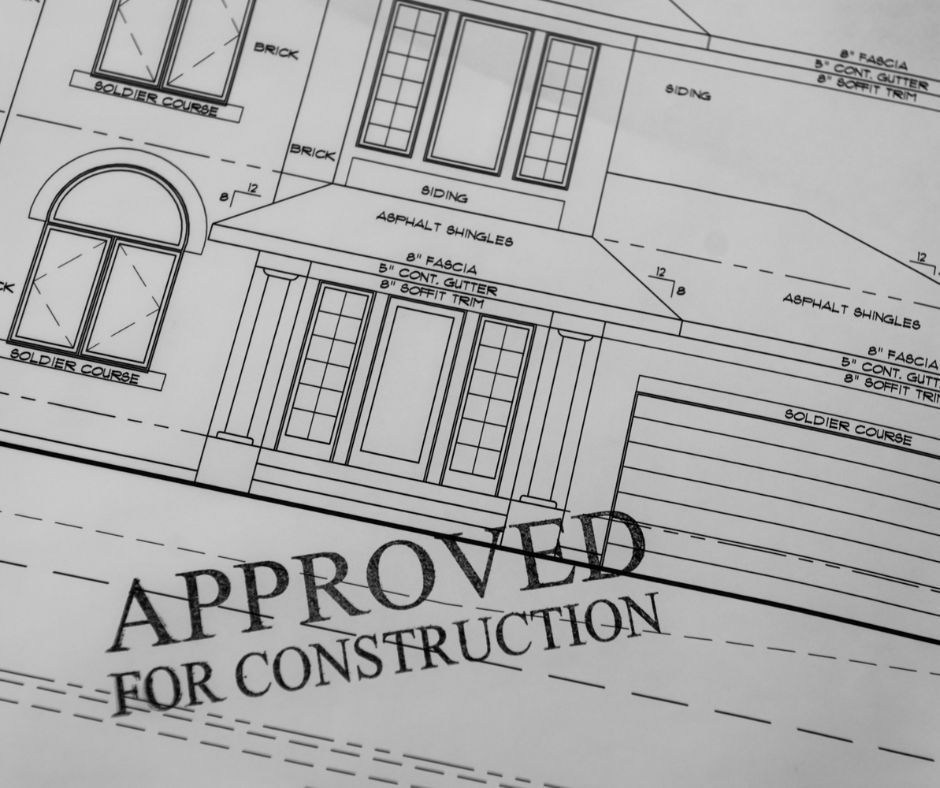
From architectural drawings to engineering reports and consultations with professionals, these services make sure your design is not only beautiful but structurally sound and compliant.
Construction Costs
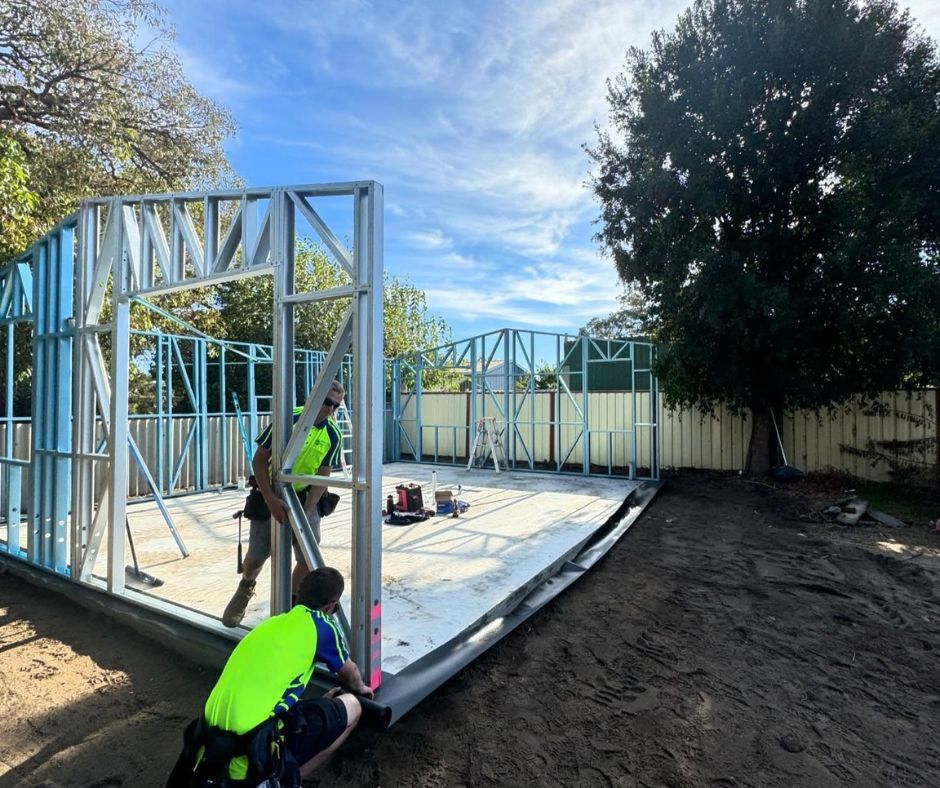
This is the core of your budget, the actual cost of building the home. Labour, materials like timber, steel, bricks and roofing, plus fluctuations in market prices, can all affect how much you’ll spend. The cost to build a custom home tends to rise when demand for trades or materials is high, so timing and planning can make a big difference.
Interior Finishing Costs
Kitchens, bathrooms, flooring, cabinetry and fixtures all contribute to the final look and feel, and to your budget. These areas are where personal style is really taken into consideration and spending often goes hand in hand.
Additional Costs to Consider
Some expenses don’t show up until later in the project, but are still essential. Think driveways, fencing, landscaping, even outdoor features like pergolas or garages.
Size of the Home
It might seem obvious, but the bigger the home, the more it costs to build. Every extra square metre means more materials, more labour and more time. If you're building on a budget, smarter layouts often beat bigger ones when it comes to long-term satisfaction.
Complexity of Design
Simple shapes and single or two-storey house layouts are usually more affordable to build. Add in features like high ceilings, multiple levels, unusual rooflines or custom facades, and costs can quickly climb.
Permit and Regulatory Fees
WA has its own list of fees and approvals that you’ll need to budget for:
- Building Permit
- Occupancy Permit
- BCITF Levy
- Water Corp & Western Power
- Council Bonds
- Home Indemnity Insurance
- Building Services Levy
Tip: Fees change and vary depending on your location and project scope.
Possible Hidden Costs
Mid-build design changes, material delays and post-handover items like appliances or landscaping can also add up if you're not prepared. Always leave room (contingency fund) in your budget for the unexpected.
Government Concessions and Subsidies To Make Custom Built Home Cost More Attainable in WA
Good news if you're building your first home, there are a couple of government incentives in WA that can give your budget a much-needed boost.
First Home Owner Grant (WA)
The First Home Owner Grant (WA) offers a one-off payment of $10,000 to eligible first-home buyers who are building a new residential property valued under $750,000. It’s a fantastic starting boost that can go toward your deposit, building costs or those little extras that make your house feel like home.
First Home Owner Rate of Duty
Updated on 10 April 2025, the First Home Owner Rate of Duty can help you save thousands in stamp duty. If your land is valued under $350,000, you won’t pay any duty at all. For land priced between $350,000 and $450,000, you’ll receive a concessional rate that significantly reduces the cost.
Tips for Managing the Cost to Build a Custom Home
Staying in control of your budget doesn't mean cutting corners, it means making smart, informed decisions from the start. Below are some simple but effective tips to keep your financials on track without the stress.
1. Be clear about your budget and stick to it
Know your limit and plan within it. A realistic budget helps guide your decisions and avoids the pressure of overspending when options start to stack up.
2. Make sure you’re financially prepared
Get your finances sorted early. Loan pre-approval gives you clarity on what you can borrow and keeps your timeline moving without delays.
3. Include a buffer for unexpected costs
Things don’t always go to plan. A buffer of 10–15% in your budget can cover surprises without throwing everything off track.
4. Avoid making major design changes mid-build
Changing your mind during construction often means extra time and extra costs. Lock in your decisions early to keep things smooth and on budget.
5. Prioritise must-haves over nice-to-haves
Focus on the features that really matter to your lifestyle first. You can always add the extras later when your budget allows.
6. Compare quotes and choose suppliers wisely
Take the time to shop around and don’t be afraid to ask questions. Always look for value, quality and reliability.
7. Use standard-sized materials where possible
Custom sizing or finishes can quickly drive up costs. Standard options are easier to source and install, keeping your build more affordable.
8. Choose energy-efficient designs to save in the long run
Smart design choices like insulation, solar orientation and efficient fixtures can reduce your energy bills for years. It’s a smart investment that pays off over time.
9. Stay involved and informed throughout the build
Regular check-ins with your builder mean fewer surprises. Understanding each stage of the process helps you spot issues early and make confident decisions.
10. Work with a builder who’s transparent and experienced
A trustworthy builder will be upfront about how much a custom home costs, timelines and potential issues. Their experience can also help you make smart choices that save money without sacrificing quality.
How Choosing the Right Builder Helps with the Custom Built Home Cost
Partnering with the right custom home builder makes all the difference, not just in how your home is built, but in how well your budget is managed along the way. Take a look at how they can help you stay on track and get the most out of your budget.
Transparent Cost Estimates
A good custom builder provides detailed, itemised quotes so you know exactly where your money is going.
Efficient Project Management
Their coordination skills help prevent costly delays, rework or downtime that could blow out your budget.
Access to Trade Discounts
Thanks to strong industry connections, builders often secure better deals on materials and labour. These savings are usually passed on to you, helping you get more value for your spend.
Advice on Design Efficiency
Custom home builders know how to tweak your design to balance beauty, practicality and cost-effectiveness, making your vision work within budget.
Get Insights on the Cost to Build a Custom Home — Consult Prestige Homes Now!
Building a custom home in WA is a big decision, but with the right team behind you, it can be the most rewarding investment you’ll ever make. While a custom built home cost can feel overwhelming at first, having clear guidance, honest advice, and a smart plan in place helps give you confidence with every decision.
Prestige Homes and Granny Flats is here to help aspiring homeowners across WA bring their dream homes or granny flats to life, specifically designed to suit both your lifestyle and your budget. You’ll get expert guidance, personalised quotes and project management that truly puts your needs first.
Ready to build today? Reach out to schedule a consultation and get a detailed quote!