Income From Your Granny Flat: Rental Ideas and Tax Basics
A granny flat can do two great things at once: bring in extra cash flow and turn dead space into something useful. Done well, it can feel like you’ve added a second income stream without adding a second mortgage.
But the numbers are only half the story. Council rules, short-stay rules, and taxes can change the outcome quickly, especially if you rent out part of your home or switch between personal use and tenants.
Below, we’ll walk through your main options, from steady long-term rent to short stays like Airbnb-style hosting. We’ll also cover family options, including “granny flat arrangement” setups, plus the key checks to sort out before you list anything.
What “Income From Your Granny Flat” Can Mean
When people say “income from granny flat”, they usually mean one of these paths:
- Long-term rental to a tenant (steady weekly rent)
- Short stays (higher nightly rate, more work)
- Rent the main home and live in the granny flat (a reshuffle that can lift total income)
There’s also a quieter win that still counts. A granny flat used as a home office, studio, or hobby space can save money elsewhere, even if no rent hits your bank account.
Pick An Income Model That Suits Your Home and Area
Your best option for granny flat rental income depends on what your property can realistically support. Start with your location and layout, then choose the model that matches demand and your time.
Long-Term Rental
Long-term rent is the steady option, with predictable weekly cash flow. It suits owners who want fewer moving parts and less admin.
Privacy is what makes it feel like a real home, not a spare room. Aim for separate access, practical sound control, and a clear lease with basic screening so you know who is moving in.
Short Stays
Short stays work best near tourist areas, beaches, hospitals, or public transport. The nightly rate can be higher, but the workload usually is too.
You are signing up for cleaning, linen changes, and constant calendar management. If you do not want to handle that, budget for a cleaner or a property manager.
Student Rentals
Student rentals can be in demand near campuses, especially with good public transport. They often fill quickly when the semester cycle is in your favour.
Turnover is usually higher, so you need clear written rules from day one. Keep it simple: noise, guests, parking, and shared spaces, then stick to it.
Rent Out One Dwelling, Live in the Other
This is the “downsize into the granny flat” move, while the main home earns the bigger rent. It can work well if you want income without leaving your property altogether.
The best part is flexibility, because you can swap back later if life changes. It also lets you test the rental market without locking yourself into a single setup.
Make Your Granny Flat Easier to Rent (and Easier to Charge for)
These are the basics that make a granny flat easier to rent. They also help you increase rental income from granny flats without overcapitalising.
Plan for Your Target Renter
Pick your renter type first, whether that’s professionals, students, or travellers. Then shape the layout, storage, and furnishings to suit how they actually live day to day.
Stand Out With Small Upgrades
Small upgrades can justify a higher weekly rate without a full renovation. Prioritise air con, fast Wi-Fi, privacy, parking, outdoor space, and separate access, as these are the features renters look for first.
Styling and Natural Light Matter
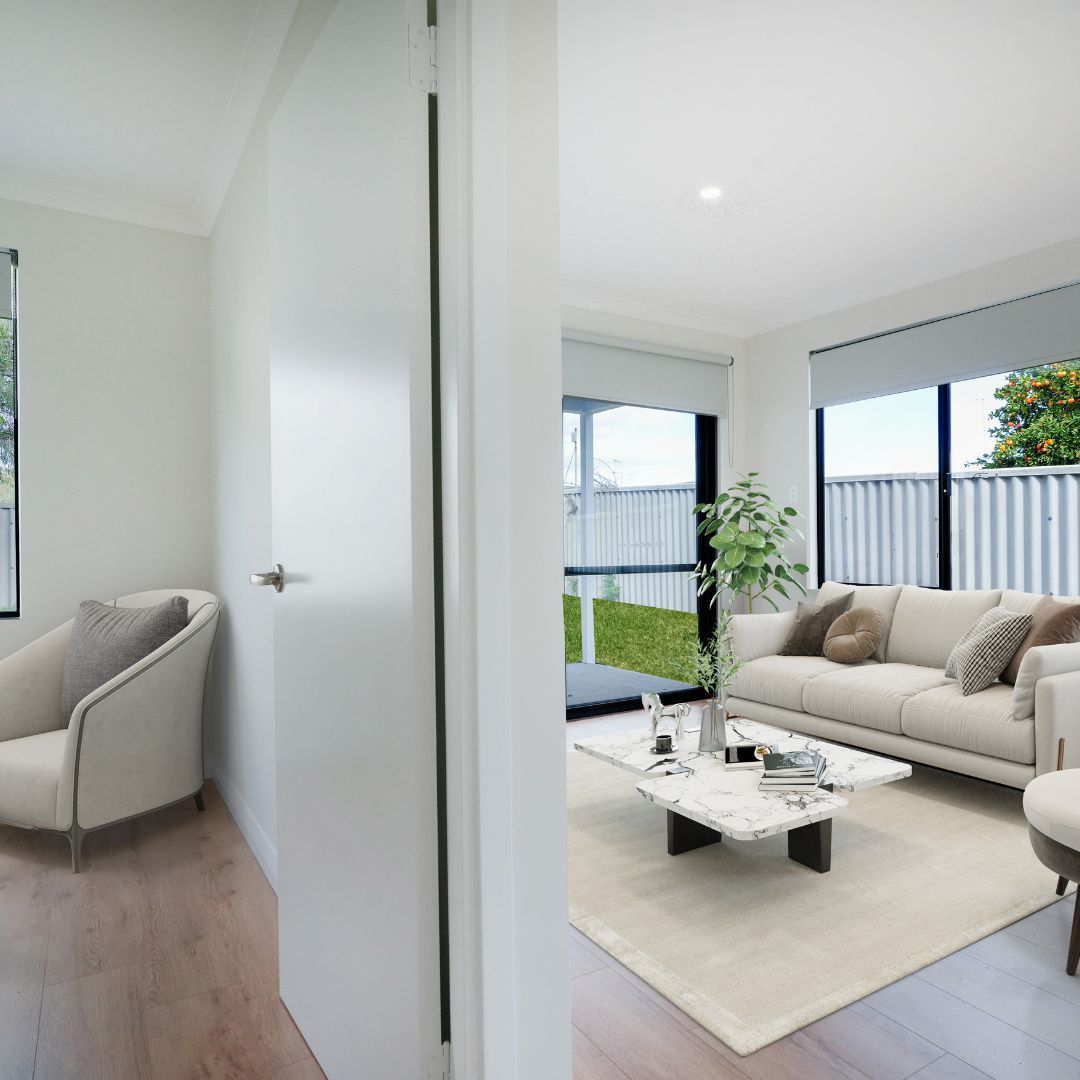
Fresh, modern finishes can lift perceived value and make the flat feel cared for. Keep the space bright and take photos in natural light so the listing matches what people see at inspection.
Consider Separate Utilities
Separate utilities, like a separate electricity metre, can help avoid bill disputes. Rules and installation requirements vary by location, so check what applies before you commit.
How to Estimate Granny Flat Rental Income
Here are the basics for working out what your granny flat might earn. It gives you a clearer number before you commit to upgrades or listing costs.
Research the Local Market
Compare similar granny flats in your suburb and nearby pockets. Adjust your expectations based on size, parking, privacy, and inclusions like air conditioning and Wi-Fi.
Build a Simple Income Estimate
Start with your gross rent per week, then allow for vacancy and seasonality. Subtract the regular costs such as insurance, utilities, maintenance, and any platform fees.
Rules and Approvals to Check Before You Rent
Rules vary from one council area to the next, and each state sets its own requirements. Start by confirming what approval you hold for the granny flat and what use that approval allows.
At a high level, there are usually two pathways: complying development (a faster tick-box route if you meet set standards) or a development application that the council assesses on a case-by-case basis. In NSW, the Housing SEPP covers secondary dwellings, and you can apply for one complying development certificate for a principal dwelling and a secondary dwelling when you meet the set standards.
Do this first:
- Check your local council rules for secondary dwellings and renting.
- Confirm parking and access requirements for your site.
- Confirm fire safety basics, including smoke alarms and any other required safety measures.
Tax Basics for Rental Income From Granny Flats
Tax can shift your real return more than most people expect. Start your record-keeping early so tax time stays straightforward.
Rental Income is Usually Assessable
Include the rent you collect in your tax return, because the ATO treats it as assessable income. Keep tidy records, including invoices, bank statements, and the dates the flat stays available for rent.
Deductions and Depreciation Basics
Claim the costs tied to earning that rent, such as repairs, agent fees, insurance, and some loan interest, then get advice on what you can apportion. New builds often qualify for depreciation on capital works and certain assets, so a depreciation schedule can help you claim correctly.
Capital Gains Tax Can Be a Surprise
Renting out part of your home can reduce your main residence CGT exemption for that portion when you sell. An accountant can work out the split and any valuations you need, especially if you switch between private use and tenants.
Granny Flat Arrangement Vs Investment Rental
A granny flat arrangement is a written agreement that gives someone the right to live in a property for life. From 1 July 2021, the CGT rules can give an exemption when you create, vary, or end an eligible arrangement.
An investment rental charges market rent under a standard tenancy. Once you treat it as a commercial setup, tax outcomes can change, including CGT treatment.
Do three things early: put the agreement in writing, plan how you will handle exits or changes in care, and get legal and tax advice before money or property changes hands. These steps reduce stress later when the family needs shift, or someone wants to sell.
Risk and Quality of Life Checks
These checks protect your income and your sanity. Do them before you hand over keys or list online.
Start with insurance and get the right cover for how you plan to rent it. Home cover, landlord insurance, and short stay policies can treat the same granny flat very differently, so read the inclusions and exclusions carefully.
Set clear boundaries from day one, including privacy, noise, parking, bins, and shared areas. Put these rules in writing so you avoid awkward chats later and keep the property running smoothly.
Cover the safety basics before anyone moves in, with good lighting, solid locks, and working smoke alarms. Do a quick walk-through at night as well, because dark corners and poor access show up fast.

Checklist to Earn Granny Flat Rental Income
These steps help you move from idea to income without missing the basics. Follow them to stay organised and compliant.
Step 1: Choose Your Rental Model
Pick long-term, short stays, student rental, or living in one and renting the other. Your choice sets your workload, pricing, and compliance needs.
Step 2: Confirm Rules With Council or Certifier
Check approvals, parking, access, and safety requirements before you advertise. This avoids fines, forced changes, and delays.
Step 3: Get the Flat Rent Ready
Style it for your target renter and make the basics easy, like Wi-Fi and practical storage. Sort utilities early so pricing and expectations are clear.
Step 4: Price it Using Local Comps
Compare similar listings in your suburb and nearby streets. Adjust for size, privacy, parking, and inclusions.
Step 5: Set Up Tax Tracking and Get Advice
Track income and expenses from day one with a simple system. Get accounting advice early so deductions and CGT risk are handled properly.
Step 6: List It and Refine After 30 Days
Launch the listing, then review enquiries, bookings, and feedback. Tweak photos, pricing, and inclusions based on real results.
Turn Your Granny Flat Into Income With Prestige Homes
You can earn income from your granny flat without turning your backyard into a full-time headache. Keep it simple, keep it staged, and make decisions in the right order so you do not get stung later. Prestige Homes builds granny flats and new homes, and can guide you on a practical colour scheme that suits your block and tenants.
Start with a clear plan for who it’s for and how it will be used. Check the rules with your local council or a private certifier. Confirm approvals early. Make sure smoke alarms, access, and parking stack up.
Before you list, get tax advice so you know how the rent affects deductions and capital gains. Keep records from day one. If you want a clear path forward, speak with us and a local planner, builder, or accountant. Then advertise with confidence.
Contact us today.

Key Takeaways
Earning income from your granny flat is doable, and it can be a smart move when you set it up properly. The key is choosing a rental model that suits your suburb and how hands-on you want to be, whether that’s long-term, short stays, student rentals, or living in one dwelling and renting the other.
The safest path is simple: plan the model, confirm council or certifier rules, price it using local comparables, then track tax from day one. Tax outcomes can differ between an investment rental and a granny flat arrangement, so get it in writing and speak with a local planner, builder, or accountant before you list.
FAQs
1. How much granny flat rental income can I earn in my suburb?
- It depends on demand, features, and your exact location. Check comparable listings and ask a local agent for an appraisal.
2. Is rental income from granny flats taxable in Australia?
- Yes, rent and related payments are usually assessable income. You must declare it on your tax return.
3. What is the difference between a granny flat arrangement and renting to a tenant?
- A granny flat arrangement is a written agreement for a lifetime right to occupy. Renting is a standard tenancy with rent and tenancy rules.
4. Can I claim deductions for expenses on my granny flat rental?
- Yes, you can claim expenses you incur to earn the rent. Some costs are claimed over time, not all at once.
5. Will renting my granny flat affect capital gains tax when I sell?
- It can reduce your main residence CGT exemption. You may only get a partial exemption for the rented part.
6. Do I need council approval to rent out my granny flat?
- Rules vary by state and council, so check your planning scheme. You may still need the right approvals, even for small builds.
7. Should my granny flat have a separate electricity metre?
- A separate metre helps if tenants will pay their own usage. If it is not separately metered, power is often included in rent.
8. Is Airbnb a good option for income from your granny flat?
- It can earn more in the right area, but it takes more work. Check local short-stay rules and any registration needs first.
9. Can I rent my granny flat to university students? What are the risks?
- Yes, it can work well near campuses and transport. Turnover can be higher, so screening and clear rules matter.
10. What should I include in a written granny flat arrangement agreement?
- Include the parties, the property, and the lifetime right to occupy. Add payments, responsibilities, exit terms, and dispute steps in writing.